
Introduction
Throughout history, humanity has sought to understand the nature of the divine, the cosmos, and our place within it. One profound concept that has emerged in this quest is Prisca Theologia, or “ancient theology.” Prisca Theologia posits that a single, universal truth lies at the heart of all major religious and esoteric traditions. This wisdom, believed to have been revealed to humanity in antiquity, transcends cultural and temporal boundaries, offering a unified view of spiritual and existential understanding.
In examining both ancient and modern spiritual frameworks, we find that many, despite their myriad forms and titles, converge into a singular, universal framework. This article explores the roots of these frameworks, from primeval history to the present day, revealing the startling revelation that at their core, they share common universal truths. By understanding this convergence, we can gain deeper insights into the timeless wisdom that continues to guide human spirituality and personal development.
Prisca Theologia: The Ancient Theology
Prisca Theologia, or “ancient theology,” is a concept that suggests there is a single, universal truth at the core of all major religious and esoteric traditions. This truth is believed to have been revealed to humanity in antiquity and has been passed down through various cultural and temporal contexts, transcending the boundaries that typically separate different belief systems.
Key Ideas of Prisca Theologia
- Universal Truth: At its heart, Prisca Theologia asserts that all major religions and esoteric traditions are expressions of a single, universal truth. This foundational truth provides a unified understanding of the divine, the cosmos, and humanity’s role within it.
- Ancient Wisdom: The concept emphasises that this universal truth was known to ancient civilizations and has been preserved through the ages in various forms. It suggests that early human societies possessed profound spiritual knowledge that continues to resonate through later traditions.
- Syncretism: Prisca Theologia encourages the idea that different religious and spiritual traditions, despite their surface differences, share a common essence. This perspective promotes the search for commonalities and shared insights across diverse beliefs.
- Revelation: The belief holds that this ancient wisdom was revealed to humanity by divine or supernatural means. This could include revelations through prophets, sages, or mystical experiences that have been recorded and transmitted through generations.
Historical Context and Significance
Prisca Theologia gained particular prominence during the Renaissance, a period marked by a revival of interest in classical antiquity and a renewed focus on humanism and intellectual exploration. Renaissance scholars such as Marsilio Ficino and Giovanni Pico della Mirandola were instrumental in promoting the idea that ancient wisdom, including the teachings of Plato and Hermes Trismegistus, contained universal truths that were compatible with and complementary to Christianity.
- Renaissance Revival: These scholars sought to reconcile classical pagan philosophy with Christian doctrine, believing that ancient texts held hidden knowledge that could enlighten contemporary spiritual understanding. They saw Prisca Theologia as a bridge between the wisdom of the ancients and the spiritual insights of their own time.
- Hermeticism: Prisca Theologia is closely associated with Hermeticism, a religious and philosophical tradition based on writings attributed to Hermes Trismegistus. Hermetic texts, which combine elements of Greek, Egyptian, and Christian thought, were considered by Renaissance thinkers to be repositories of ancient wisdom that predated and anticipated Christian teachings.
The Universal Truth at the Heart of All Traditions
Prisca Theologia posits that at the core of all major religious and esoteric traditions lies a universal truth. This idea suggests that the diversity of spiritual expressions and practices across different cultures and eras are various manifestations of a single, underlying reality. By recognising and embracing this commonality, we can move beyond superficial differences to uncover the shared essence of human spirituality.
For example, here is the Celtic Shamanism “The Great Journey”, derived from the wheel of life.
This universal truth provides a framework for understanding the interconnectedness of all spiritual paths. It encourages an inclusive approach to spiritual exploration, where insights from various traditions can be integrated to form a more comprehensive and holistic view of the divine and our place in the universe. Through Prisca Theologia, we can appreciate the rich tapestry of human spirituality as different expressions of a singular, timeless wisdom.

Fig. 1.0. Creation, Book of Genesis, Abrahamic faiths, Primeval History.
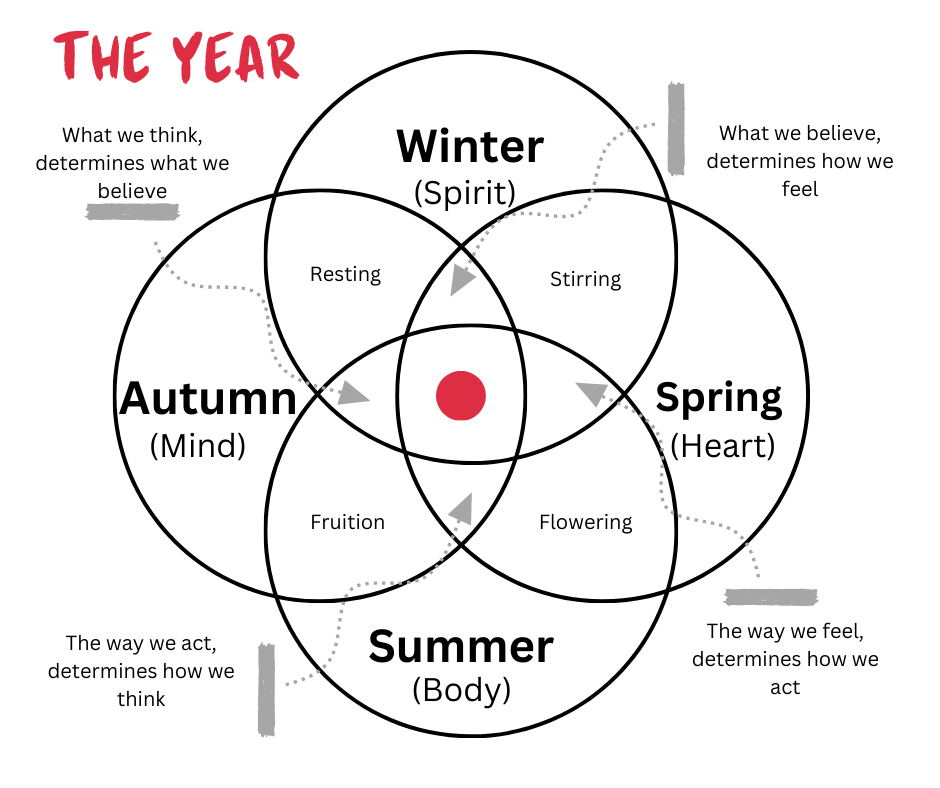
Fig. 1.1. The cycle from creation to manifestation, Shinto philosophy, 10th century BC.
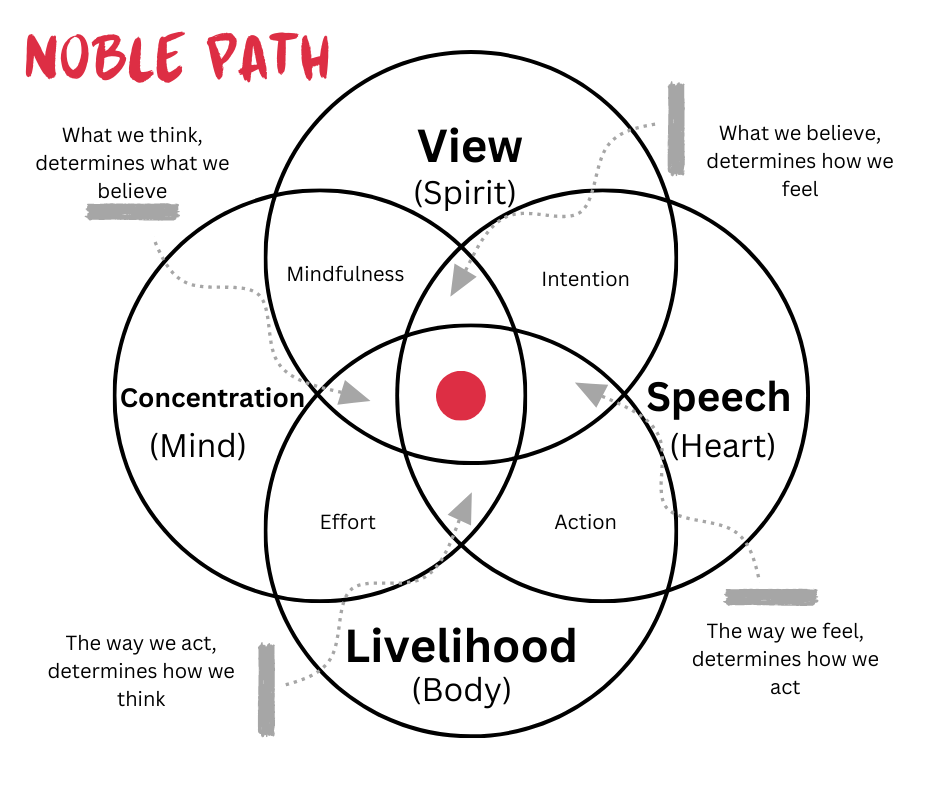
Fig. 1.2. The Dharma Wheel or 8-fold Noble Path, Buddhism, 5th century BC.
Primeval Wisdom: The Roots of Universal Truths
The origins of spiritual wisdom can be traced back to the earliest civilizations, where humanity first began to grapple with questions about the nature of existence, the divine, and our place in the universe. Ancient civilizations such as Sumer, Egypt, and India laid the foundational stones of spiritual and philosophical thought, creating frameworks that continue to influence contemporary belief systems.
Spiritual Wisdom in Ancient Civilizations
Sumer: The Sumerians, one of the earliest known civilizations, inhabited the region of Mesopotamia (modern-day Iraq) around 4500 BCE. They developed complex religious practices and cosmologies that revolved around a pantheon of gods and goddesses, each representing natural forces and aspects of human experience. The Sumerian creation myth, known as the Enuma Elish, describes a cosmic battle leading to the formation of the world and humanity, highlighting themes of order emerging from chaos.
Egypt: Ancient Egypt, with its rich tapestry of mythology and spirituality, greatly influenced subsequent cultures and religions. The Egyptians believed in a multitude of gods, each associated with specific elements of life and nature. Central to their spiritual thought was the concept of Ma’at, representing truth, balance, and cosmic order. Creation myths, such as the Heliopolitan cosmogony, depict the emergence of the universe from primordial waters, emphasising the cyclical nature of life, death, and rebirth.
India: In ancient India, spiritual wisdom flourished with the development of the Vedic tradition around 1500 BCE. The Vedas, a collection of hymns, prayers, and rituals, laid the foundation for Hinduism and later influenced Buddhism and Jainism. The Rigveda, one of the oldest texts, contains hymns that explore the nature of the cosmos, the divine, and human existence. Central themes include the cyclical nature of time (samsara), the pursuit of spiritual knowledge (jnana), and the ultimate goal of liberation (moksha).
Common Themes in Early Spiritual and Philosophical Thought
Creation Myths: Creation myths from various ancient civilizations share striking similarities, often depicting the universe’s origin as an act of divine will or a cosmic struggle. These myths provide insight into how early humans understood the genesis of existence and their place within it. For example, the Sumerian Enuma Elish, the Egyptian Heliopolitan creation myth, and the Indian Rigveda all narrate stories of creation that involve primordial chaos giving way to order, highlighting a universal theme of transformation and emergence.
Nature of the Divine: Despite differences in the specifics of their deities and cosmologies, ancient civilizations often conceptualised the divine as multifaceted and deeply intertwined with the natural world. Gods and goddesses personified natural forces, moral principles, and human emotions, reflecting an understanding that the divine permeates all aspects of life. This polytheistic view, seen in Sumerian, Egyptian, and early Indian traditions, underscores a recognition of the complexity and interconnectedness of existence.
Humanity’s Role in the Cosmos: Ancient spiritual thought frequently addressed humanity’s role within the larger cosmic order. In many traditions, humans were seen as integral parts of a divine plan, tasked with maintaining harmony and balance. The concept of Ma’at in Egypt emphasised living in accordance with cosmic order, while the Vedic tradition in India encouraged the pursuit of dharma (righteous duty) and spiritual knowledge. These ideas reflect a shared understanding that human actions have profound implications for both the individual and the universe.
The spiritual wisdom of ancient civilizations like Sumer, Egypt, and India provides the roots of universal truths that continue to resonate through time. Common themes such as creation myths, the nature of the divine, and humanity’s role in the cosmos reveal a profound and shared quest to understand existence and our place within it. By exploring these primeval insights, we uncover the foundational stones of a universal framework that connects ancient and modern spiritual and philosophical thought, highlighting the timeless pursuit of truth and meaning.
Classical Philosophies and Religious Traditions
The spiritual and philosophical wisdom of classical Greek and Roman thinkers, alongside the major religious traditions of Hinduism, Buddhism, Judaism, Christianity, and Islam, has profoundly shaped human understanding of the divine, the cosmos, and our role within it. Despite their apparent differences, these traditions share fundamental elements that underscore a universal quest for truth and meaning.
Contributions of Classical Greek and Roman Philosophers
Plato: Plato, one of the most influential philosophers of ancient Greece, contributed significantly to Western thought through his exploration of metaphysics, ethics, and epistemology. His theory of Forms posits that the material world is a shadow of a higher, immaterial reality of perfect, unchanging Forms or Ideas. This dualistic view emphasises the pursuit of knowledge and the cultivation of the soul as pathways to understanding ultimate truth. Plato’s works, such as “The Republic” and “Phaedo,” underscore the importance of justice, virtue, and the philosopher’s role in seeking the Good.
Aristotle: Aristotle, a student of Plato, developed a comprehensive system of thought that addressed a wide range of subjects, including logic, biology, ethics, and politics. Unlike Plato, Aristotle emphasised empirical observation and the study of the natural world. His concept of the “unmoved mover” as the ultimate cause of all motion reflects a rational approach to understanding the divine. In his “Nicomachean Ethics,” Aristotle explores the idea of eudaimonia (flourishing or happiness) as the highest human good, achieved through the cultivation of virtue and reason.
Major Religious Traditions
Hinduism: Hinduism, one of the oldest religious traditions, encompasses a rich tapestry of beliefs and practices. Central to Hindu thought is the concept of Brahman, the ultimate reality that pervades all existence. The pursuit of moksha, or liberation from the cycle of rebirth (samsara), through paths such as knowledge (jnana), devotion (bhakti), and righteous action (karma), reflects a deep commitment to spiritual growth and understanding. The Bhagavad Gita and Upanishads are key texts that explore these themes.
Buddhism: Founded by Siddhartha Gautama (the Buddha) in the 5th century BCE, Buddhism teaches the Four Noble Truths and the Eightfold Path as the means to attain enlightenment (nirvana). The central tenet of Buddhism is the impermanence of all things (anicca) and the cessation of suffering (dukkha) through the realisation of non-self (anatta). The emphasis on meditation, ethical conduct, and wisdom highlights a universal quest for spiritual liberation and inner peace.
Judaism: Judaism, the monotheistic faith of the Jewish people, centers on the covenantal relationship between God and the Israelites, as revealed in the Torah. Key themes in Jewish thought include justice, mercy, and the importance of ethical behavior as outlined in the Ten Commandments and other biblical laws. The prophetic tradition in Judaism emphasises social justice, repentance, and the continual pursuit of a righteous life in accordance with God’s will.
Christianity: Christianity, founded on the life and teachings of Jesus Christ, emphasises the themes of love, redemption, and the promise of eternal life. Central to Christian belief is the idea of salvation through faith in Jesus as the Son of God and the savior of humanity. The teachings of Jesus, as recorded in the New Testament, stress love for God and neighbour, forgiveness, and the pursuit of a moral life guided by the Holy Spirit.
Islam: Islam, revealed to the Prophet Muhammad in the 7th century CE, centers on the belief in one God (Allah) and submission to His will. The Five Pillars of Islam—faith (shahada), prayer (salat), almsgiving (zakat), fasting (sawm), and pilgrimage (hajj)—form the core practices of Muslim life. The Quran and Hadith provide comprehensive guidance on all aspects of life, emphasising justice, compassion, and the importance of community.
Shared Elements of Spiritual Teachings
Despite their diverse expressions, these classical philosophies and religious traditions share several common elements:
- Search for Truth: All traditions emphasise the pursuit of a deeper understanding of reality, whether through philosophical inquiry, meditation, or divine revelation.
- Ethical Conduct: There is a universal emphasis on ethical behavior and the cultivation of virtues such as compassion, justice, and righteousness.
- Nature of the Divine: Whether conceived as a singular God, a pantheon of deities, or an impersonal ultimate reality, all traditions grapple with the nature of the divine and humanity’s relationship to it.
- Role of Humanity: Each tradition explores humanity’s role within the cosmos, often highlighting the potential for spiritual growth, enlightenment, and alignment with a higher purpose.
By examining these shared elements, we can see how classical philosophies and religious traditions contribute to a universal framework that transcends cultural and temporal boundaries, offering timeless wisdom for the spiritual journey.
Renaissance Revival: The Rebirth of Ancient Wisdom
The Renaissance, a period of intellectual and cultural revival in Europe spanning the 14th to 17th centuries, witnessed a renewed interest in classical antiquity’s philosophical and spiritual traditions. Scholars like Marsilio Ficino and Giovanni Pico della Mirandola played pivotal roles in this revival by synthesising ancient wisdom with contemporary religious thought, bridging the gap between pagan philosophy and Christian theology. Central to this intellectual movement was the influence of Hermeticism, which had a profound connection to the concept of Prisca Theologia.
Marsilio Ficino
Marsilio Ficino (1433-1499) was a key figure in the Renaissance revival of ancient wisdom. As the head of the Platonic Academy in Florence, he translated and commented on the works of Plato and the Corpus Hermeticum, a collection of texts attributed to Hermes Trismegistus. Ficino believed that these texts contained divine truths that predated and complemented Christian teachings.
- Synthesis of Ideas: Ficino sought to harmonise Platonic philosophy with Christian doctrine. He saw Plato’s emphasis on the immortality of the soul and the pursuit of divine knowledge as compatible with Christian teachings on salvation and the beatific vision.
- Influence of Hermeticism: Ficino’s translation of the Corpus Hermeticum introduced Renaissance thinkers to Hermeticism’s blend of Greek, Egyptian, and mystical thought. Hermeticism’s focus on the unity of the divine and the cosmos resonated with the Renaissance ideal of a universal truth that transcends individual religious traditions.
Giovanni Pico della Mirandola
Giovanni Pico della Mirandola (1463-1494) was another influential Renaissance scholar who sought to integrate diverse strands of thought into a cohesive philosophical system. His most famous work, the “Oration on the Dignity of Man,” is often considered the manifesto of the Renaissance humanism.
- Universal Truth: Pico’s belief in the unity of truth led him to study not only Christian theology but also Jewish Kabbalah, Islamic philosophy, and various pagan traditions. He argued that all these sources contained elements of a single, universal wisdom.
- 900 Theses: In his “900 Theses,” Pico proposed a wide-ranging synthesis of philosophical and theological ideas. He invited scholars from all traditions to debate these theses, reflecting his commitment to uncovering the common truths underlying diverse intellectual traditions.
Influence of Hermeticism
Hermeticism, a religious and philosophical tradition based on the writings attributed to Hermes Trismegistus, was central to the Renaissance revival of ancient wisdom. The Hermetic texts, which combined elements of Greek, Egyptian, and Christian thought, were believed to contain esoteric knowledge about the nature of the divine, the cosmos, and human existence.
- Cosmic Unity: Hermeticism posited that the divine and the cosmos were fundamentally interconnected. This idea of cosmic unity resonated with the Renaissance quest for a universal truth that could reconcile the spiritual insights of different traditions.
- Prisca Theologia: Hermeticism’s connection to Prisca Theologia is evident in its emphasis on ancient wisdom that predates and anticipates later religious developments. Renaissance scholars like Ficino and Pico embraced this concept, viewing Hermetic texts as repositories of primordial truths that could illuminate contemporary spiritual and philosophical debates.
Synthesis of Ancient and Contemporary Thought
The efforts of Renaissance scholars to synthesise ancient wisdom with contemporary religious thought had a lasting impact on Western intellectual history. By bridging the gap between classical philosophy and Christian theology, they contributed to a more inclusive and holistic understanding of human spirituality.
- Intellectual Cross-Pollination: The revival of ancient texts and the integration of diverse philosophical traditions enriched Renaissance thought and laid the groundwork for subsequent developments in science, philosophy, and theology.
- Legacy of Prisca Theologia: The concept of Prisca Theologia, as embraced and promoted by Renaissance scholars, continues to inspire those who seek to uncover the universal truths that unite humanity’s spiritual heritage.
The Renaissance revival of ancient wisdom, driven by scholars like Marsilio Ficino and Giovanni Pico della Mirandola, represents a significant moment in the history of human thought. Their synthesis of classical and contemporary ideas, deeply influenced by Hermeticism and the concept of Prisca Theologia, highlights the enduring quest for a universal truth that transcends cultural and temporal boundaries.
Modern Personal Development Frameworks
In contemporary times, several personal development frameworks have gained prominence, drawing on both modern psychological insights and ancient spiritual wisdom. These frameworks, including Carl Jung’s psychological theories, Joseph Campbell’s monomyth, and contemporary holistic approaches to spirituality, reflect a continued quest for understanding the self and our place in the universe. Despite their modern contexts and terminologies, these frameworks echo the ancient universal truths identified by Prisca Theologia.
Carl Jung’s Psychological Theories
Carl Jung, a pioneering Swiss psychiatrist, developed theories that profoundly influenced modern psychology and personal development. His concepts of the collective unconscious, archetypes, and individuation offer deep insights into the human psyche.
- Collective Unconscious: Jung proposed the existence of a collective unconscious shared by all humans, containing archetypes—universal symbols and themes found across cultures and epochs. This idea parallels Prisca Theologia’s assertion of a universal truth underlying diverse traditions.
- Archetypes: Archetypes, such as the Hero, the Wise Old Man, and the Great Mother, are recurring symbols in myths, dreams, and religious traditions. They represent fundamental human experiences and reflect the shared spiritual heritage that Prisca Theologia highlights.
- Individuation: Jung’s process of individuation involves integrating different aspects of the self to achieve wholeness and self-realisation. This mirrors the ancient pursuit of spiritual enlightenment and the alignment with universal truths.
Joseph Campbell’s Monomyth
Joseph Campbell, an American mythologist, identified the monomyth, or the Hero’s Journey, as a common narrative structure found in myths worldwide. His work emphasises the shared patterns in human storytelling that convey deep psychological and spiritual truths.
- Hero’s Journey: The Hero’s Journey outlines a universal pattern of departure, initiation, and return, reflecting the transformative processes in personal and spiritual development. This journey mirrors the quest for understanding and enlightenment central to many religious traditions.
- Universal Symbols: Campbell’s analysis of mythological symbols and motifs demonstrates their cross-cultural significance, supporting the idea of a shared spiritual heritage. This aligns with Prisca Theologia’s assertion that ancient wisdom transcends cultural boundaries.
- Transformation and Enlightenment: The Hero’s Journey emphasises personal growth and the discovery of universal truths through trials and challenges, resonating with the ancient quest for spiritual enlightenment.
Contemporary Holistic Approaches to Spirituality
Modern holistic approaches to spirituality integrate various practices and philosophies to promote overall well-being and spiritual growth. These approaches often draw on ancient wisdom and emphasise the interconnectedness of mind, body, heart, and spirit.
- Mindfulness and Meditation: Practices such as mindfulness and meditation, rooted in ancient traditions like Buddhism and Hinduism, are widely adopted in contemporary personal development. These practices foster self-awareness and inner peace, echoing the timeless pursuit of spiritual enlightenment.
- Integral Theory: Developed by Ken Wilber, Integral Theory seeks to integrate insights from different disciplines and traditions into a cohesive framework. This approach reflects the Renaissance ideal of synthesizing diverse sources of wisdom, akin to Prisca Theologia’s unifying vision.
- Transpersonal Psychology: This field of psychology explores the spiritual aspects of the human experience, incorporating elements from various religious and mystical traditions. It aligns with the concept of a universal truth that transcends individual religious expressions.
Echoes of Ancient Universal Truths
Despite their modern contexts and terminologies, these personal development frameworks resonate with the ancient universal truths identified by Prisca Theologia:
- Interconnectedness: The recognition of a collective unconscious, universal symbols, and the integration of mind, body, heart, and spirit all highlight the interconnectedness of human experience, a core idea in Prisca Theologia.
- Quest for Enlightenment: The Hero’s Journey, individuation, and mindfulness practices emphasise the pursuit of self-realisation and spiritual growth, mirroring the ancient quest for understanding and alignment with universal truths.
- Synthesis of Wisdom: Modern frameworks often draw on diverse sources of wisdom, reflecting the Renaissance scholars’ efforts to harmonise ancient and contemporary thought and the Hermetic emphasis on cosmic unity.
Modern personal development frameworks like Carl Jung’s psychological theories, Joseph Campbell’s monomyth, and contemporary holistic approaches to spirituality continue the timeless pursuit of universal truths. By integrating ancient wisdom with modern insights, these frameworks offer pathways to deeper self-understanding and spiritual growth, echoing the enduring quest for enlightenment that spans human history.
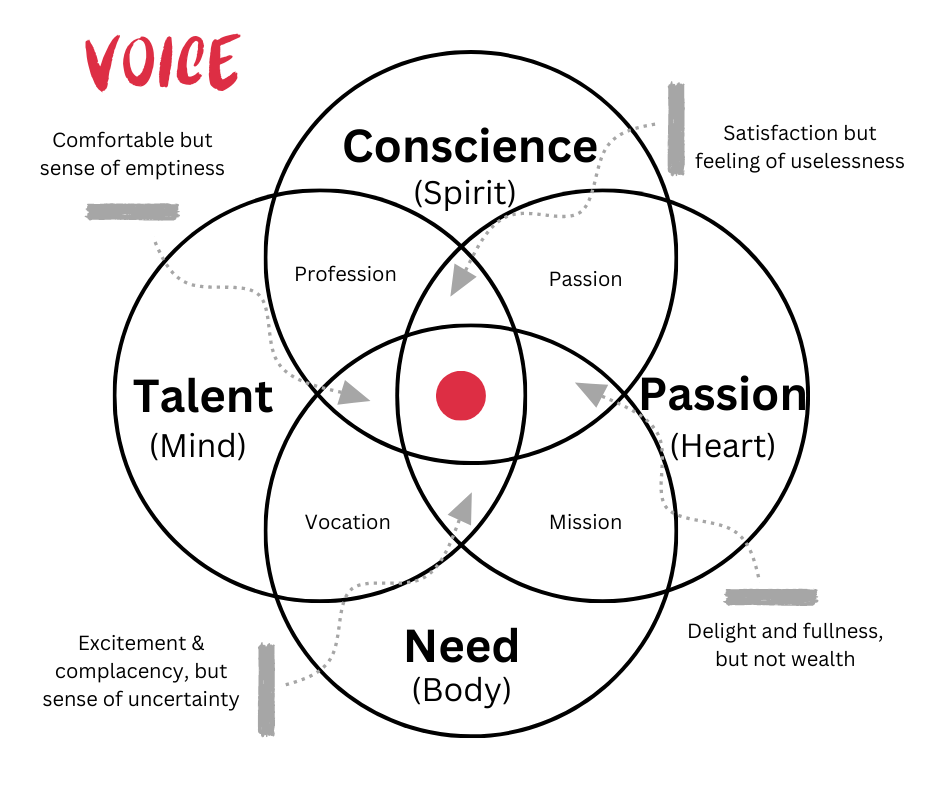
Fig. 1.3. The 8th Habit, Stephen R. Covey, 2006.
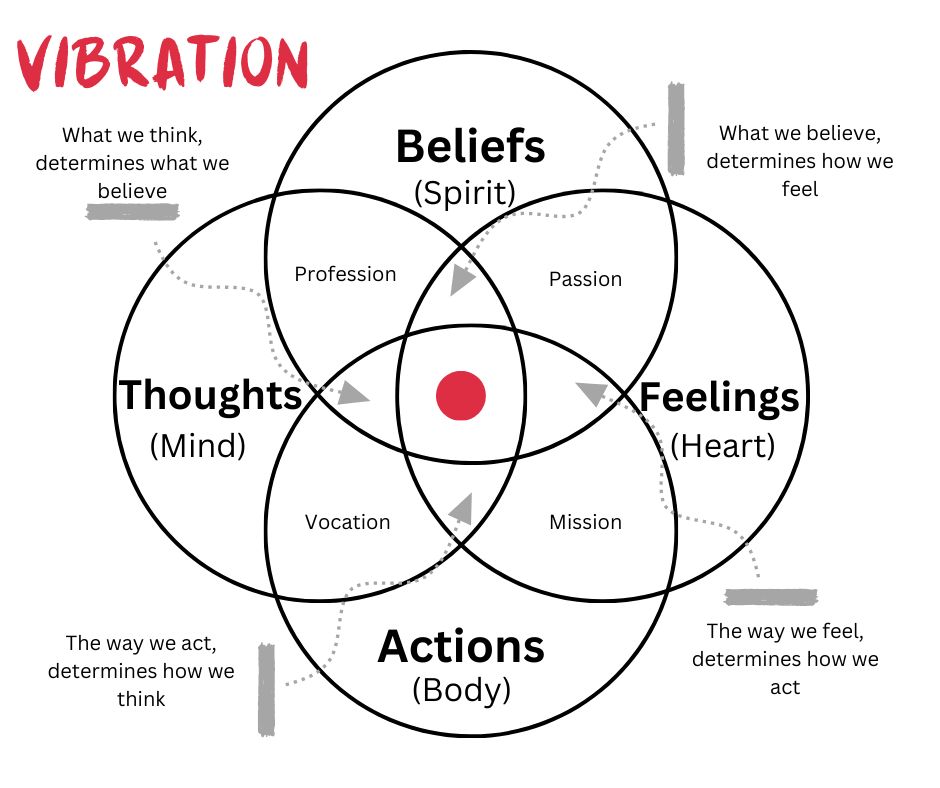
Fig. 1.4. The Secret, Rhonda Byre, 2006.
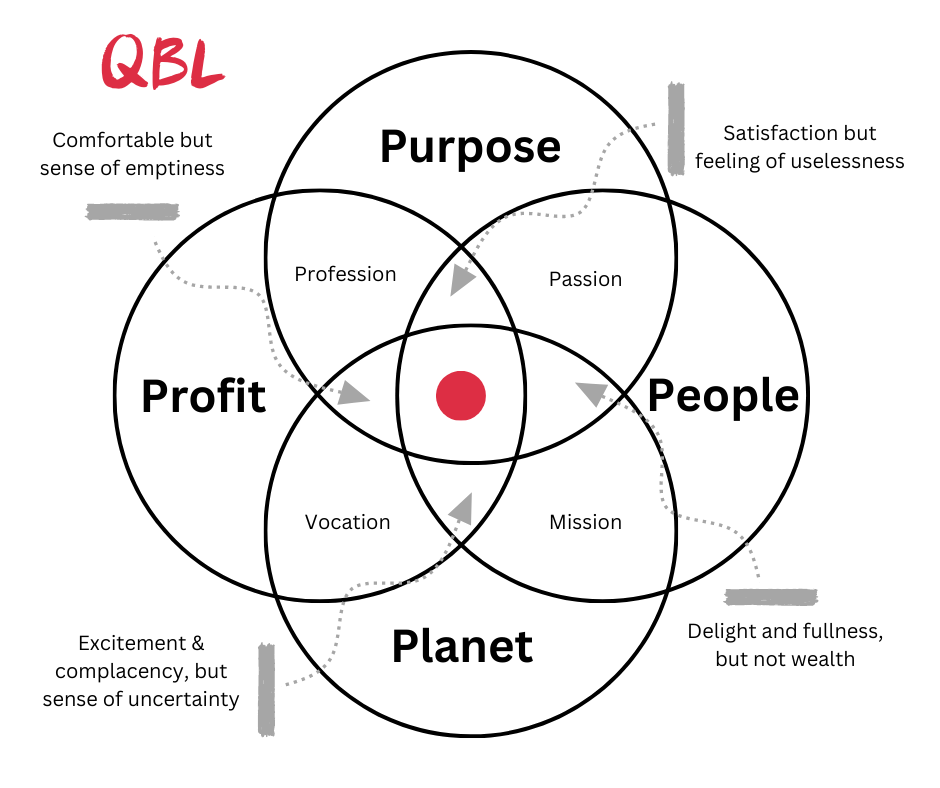
Fig. 1.5. Fourth (Quadruple) bottom line, 4Ps, Ayman Sawaf, 2014.
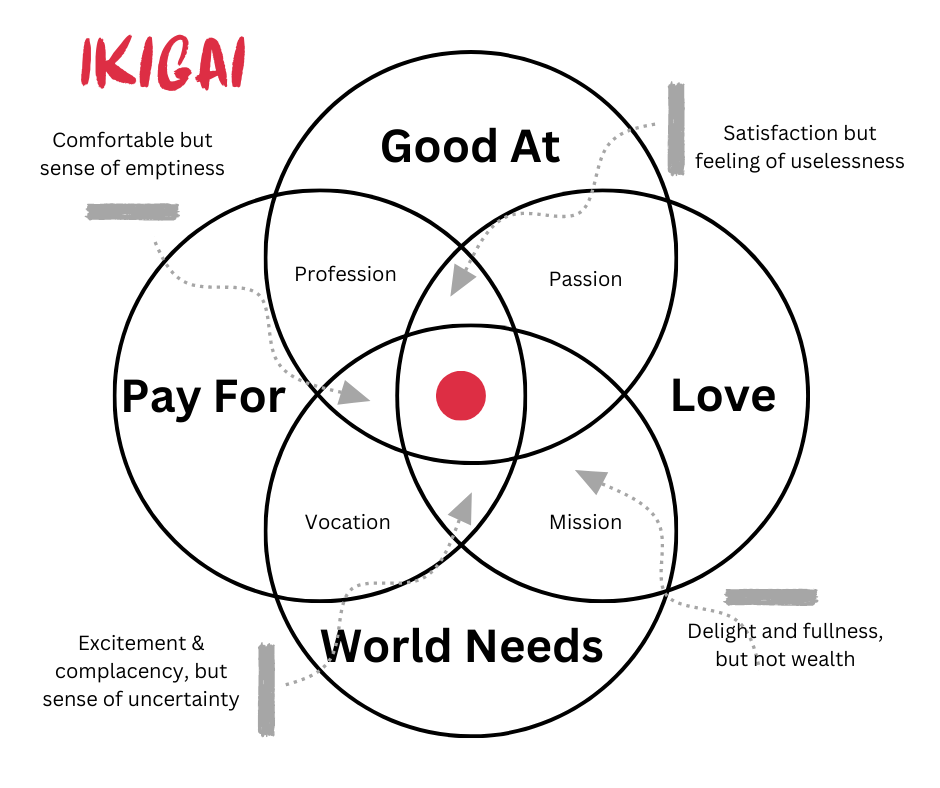
Fig. 1.6. Ikigai, Hector Garcia 2017.
Summary of the Common Core: The Universal Framework
Throughout history, from ancient civilizations to contemporary personal development theories, a consistent thread of universal truths can be discerned. By analysing the similarities between ancient and modern frameworks, we uncover a singular, universal framework that underlies these diverse teachings. This universal framework offers profound implications for personal development and spiritual growth.
Analysing Similarities Between Ancient and Modern Frameworks
- Search for Self-Understanding:
- Ancient Frameworks: Ancient philosophies and religious traditions emphasise the importance of knowing oneself. For instance, the Delphic maxim “Know thyself” from ancient Greece and the concept of Atman (self) in Hinduism both underscore the quest for self-knowledge.
- Modern Frameworks: Carl Jung’s individuation process and contemporary mindfulness practices similarly focus on self-awareness and self-realisation.
- Universal Symbols and Archetypes:
- Ancient Frameworks: Myths and religious stories from various cultures contain recurring symbols and archetypes, such as the Hero, the Sage, and the Great Mother, reflecting shared human experiences and spiritual truths.
- Modern Frameworks: Joseph Campbell’s monomyth and Jung’s archetypes highlight these universal symbols’ continued relevance, demonstrating their presence in modern storytelling and psychological exploration.
- Interconnectedness of All Things:
- Ancient Frameworks: Many ancient traditions, like the Hermetic principle of “As above, so below” and the concept of Ma’at in Egyptian spirituality, emphasise the interconnectedness of the cosmos and human existence.
- Modern Frameworks: Holistic approaches to spirituality and Integral Theory stress the integration of mind, body, heart, and spirit, reflecting the interconnectedness principle.
- Pursuit of Spiritual Growth and Enlightenment:
- Ancient Frameworks: The pursuit of spiritual enlightenment is central to traditions like Buddhism (nirvana), Hinduism (moksha), and the mystical paths within Christianity and Islam.
- Modern Frameworks: Contemporary personal development practices, including transpersonal psychology and meditation, focus on achieving higher states of consciousness and personal growth.
Revealing a Singular, Universal Framework
A deeper scrutiny of these similarities reveals a singular, universal framework underlying these diverse teachings. This framework consists of core principles that transcend cultural and temporal boundaries:
- Unity of Truth: Despite different expressions and interpretations, all spiritual and philosophical traditions aim to uncover fundamental truths about existence, the divine, and the self.
- Common Archetypes and Symbols: The recurrence of certain archetypes and symbols across cultures points to a shared human heritage and a collective unconscious.
- Interconnectedness: Recognising the interconnected nature of the cosmos and human life fosters a holistic understanding of existence.
- Path to Enlightenment: The pursuit of self-knowledge, ethical living, and spiritual growth is a universal journey present in all major traditions.
Implications for Personal Development and Spiritual Growth
Understanding and embracing this universal framework offers significant implications for personal development and spiritual growth:
- Holistic Self-Understanding:
- By integrating insights from various traditions, individuals can develop a more comprehensive understanding of themselves. This holistic approach promotes balance and harmony in personal growth.
- Universal Symbols as Guides:
- Recognising and working with universal symbols and archetypes can facilitate deeper psychological and spiritual exploration. These symbols serve as guides on the journey towards self-discovery and enlightenment.
- Interconnected Approach to Life:
- Embracing the interconnectedness of all things encourages a more integrated approach to life. It fosters empathy, compassion, and a sense of unity with the world, enhancing personal and collective well-being.
- Timeless Wisdom for Modern Challenges:
- The ancient wisdom encapsulated in this universal framework provides timeless guidance for navigating contemporary challenges. It offers perspectives that can help individuals find meaning, purpose, and resilience in a rapidly changing world.
- Pathways to Enlightenment:
- Understanding the universal pursuit of spiritual growth allows individuals to draw on diverse practices and teachings that resonate with their personal journey. This flexibility supports a personalised path to enlightenment and fulfillment.
In conclusion, a deeper examination of both ancient and modern frameworks reveals a singular, universal framework that transcends cultural and temporal boundaries. This universal framework, centered on unity of truth, common archetypes, interconnectedness, and the pursuit of enlightenment, offers profound insights for personal development and spiritual growth. By embracing this framework, individuals can achieve a holistic understanding of themselves and their place in the cosmos, guided by timeless wisdom that continues to inspire and enlighten.
A Legal Perspective: Copyright Law, Plagiarism, and Prisca Theologia
Under English law, copyright is a form of intellectual property that protects original works of authorship, including literary, dramatic, musical, and artistic works, as well as certain other intellectual creations such as software and databases. Here’s an overview of the relevant concepts:
Copyright Law
- Originality: For a work to be protected by copyright, it must be original, meaning it must originate from the author and involve some degree of creativity.
- Duration: In the UK, copyright generally lasts for the lifetime of the author plus 70 years after their death.
- Rights of the Copyright Owner: The copyright owner has the exclusive rights to reproduce, distribute, perform, display, and create derivative works based on the original work.
- Infringement: Copyright infringement occurs when someone uses a copyrighted work without the permission of the copyright owner in a way that violates the exclusive rights granted to the owner.
Plagiarism
- Definition: Plagiarism involves using someone else’s work, ideas, or expressions without proper attribution, presenting it as one’s own. This is an ethical breach and can lead to academic or professional consequences, but it is not a legal term per se in the context of copyright law.
- Distinction from Copyright Infringement: Plagiarism focuses on the failure to give credit, whereas copyright infringement focuses on the unauthorised use of protected material.
Public Domain
- Definition: Works in the public domain are not protected by copyright and can be used freely by anyone. This can occur because the copyright has expired, the work was never eligible for copyright protection, or the author has dedicated the work to the public domain.
- Application: If a work predates the applicable copyright period or is otherwise in the public domain, it can be used without infringing copyright.
Prisca Theologia and Public Domain
- Ancient Concepts: Concepts or frameworks that date back to ancient times and have been passed down through various cultural or religious traditions typically fall into the public domain. These ideas are considered part of the collective human heritage and are not owned by any individual or entity.
- Modern Adaptations: While the underlying concepts may be public domain, specific modern adaptations, presentations, or formulations of these ideas may still be protected by copyright if they exhibit originality.
Applying This to Your Framework
Given your situation:
- Historical Basis: If your personal development framework is based on ancient concepts like Prisca Theologia, these underlying ideas are likely in the public domain.
- Original Contributions: Focus on the originality of your specific interpretation, presentation, and formulation of these ideas. Ensure that your work involves a degree of creativity and authorship.
- Avoiding Infringement: Avoid directly copying any recent specific adaptations of the framework that may still be under copyright. Instead, derive your work from the core public domain concepts and add your unique perspective.
Purchasing Copyright Rights
- Chain of Ownership: If other coaches purchase copyright rights from an earlier coach, it implies there may be specific adaptations or formulations they are using. However, if these adaptations themselves are not original and merely copied from earlier public domain sources, the purchased rights may not hold substantial value.
- Due Diligence: Carefully review the originality and copyright status of any material before using or purchasing rights. Ensure that you are not inadvertently infringing on protected works by thoroughly understanding the lineage and originality of the frameworks in question.
The Academy of Life Planning framework: The GAME Plan
In recognition of this shared heritage, I have synthesised these diverse frameworks into a new, accessible model—the GAME Plan. This model, which I freely share without claiming intellectual property, stands as a testament to our collective inheritance. GAME—an acronym for Goals, Actions, Means, Execution—encapsulates a comprehensive strategy for navigating the complexities of modern life while staying grounded in universal principles.
While the underlying ideas of Prisca Theologia and similar ancient frameworks are in the public domain, your task is to create an original presentation or interpretation that can be distinguished from any recent copyrighted adaptations. By doing so, you can develop your framework while respecting copyright law and avoiding plagiarism.
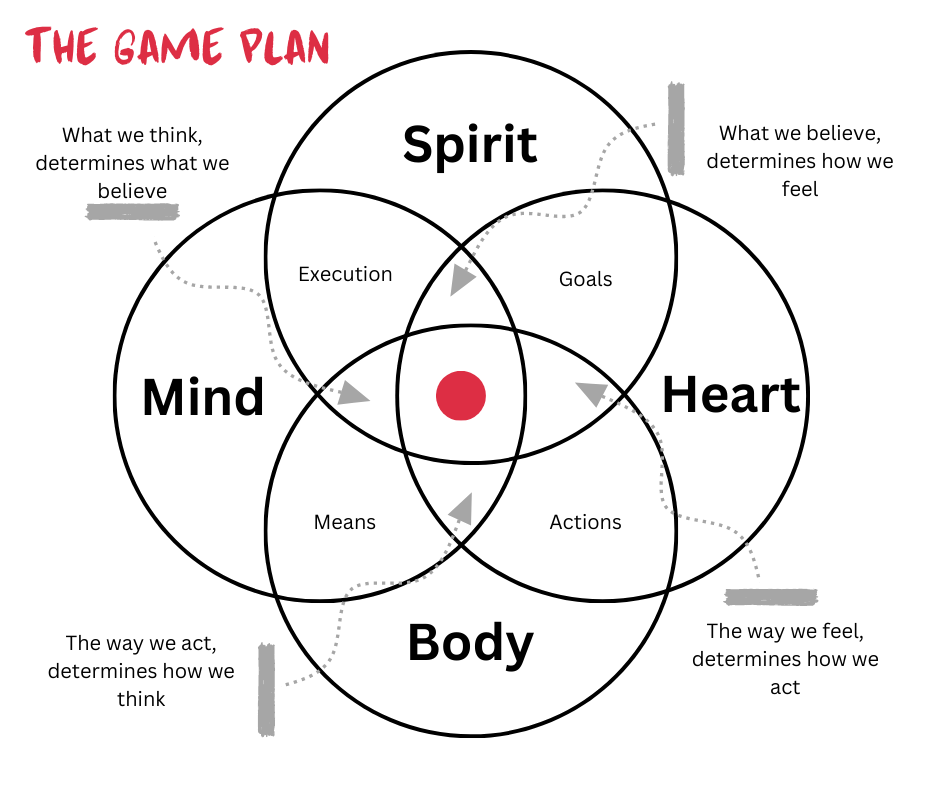
Fig. 1.7. The Game Plan, Your money or your life: Unmask the highway robbers – enjoy wealth in every area of your life, Steve Conley, 2019. The author has dedicated the work to the public domain
To recap, Prisca Theologia, meaning “ancient theology,” is a concept that suggests a core, universal truth exists at the heart of all major religious and esoteric traditions. This wisdom is believed to have been revealed to humanity in ancient times and transcends cultural and temporal boundaries. The idea posits that this primordial theology offers a unified view of the nature of the divine, the cosmos, and humanity’s role within it. Here are the key ideas associated with Prisca Theologia:
1. Universal Truth
Prisca Theologia asserts that there is a single, universal truth that underlies all religious and spiritual traditions. This truth is seen as timeless and unchanging, providing a foundation for understanding the divine and the cosmos.
2. Ancient Wisdom
The concept emphasises that this universal truth was known to ancient civilizations and has been passed down through various religious and esoteric traditions. It is believed that the earliest human societies possessed a profound understanding of the divine that has been partially preserved in later traditions.
3. Syncretism
Prisca Theologia promotes the idea that different religious and spiritual traditions are expressions of the same underlying truth. It encourages looking beyond the surface differences between religions to find the commonalities and shared insights.
4. Revelation
The belief in Prisca Theologia includes the idea that this ancient wisdom was revealed to humanity by divine or supernatural means. This revelation could have come through prophets, sages, or mystical experiences.
5. Role of Humanity
According to Prisca Theologia, humans have a special role within the cosmos. This role involves understanding and aligning with the universal truth, leading to spiritual enlightenment and a harmonious existence within the divine order.
6. Perennial Philosophy
Prisca Theologia is closely related to the concept of the perennial philosophy, which posits that there is a common thread of spiritual truth running through all the world’s religions. This perennial philosophy is thought to provide a deeper understanding of the nature of reality and the divine.
Historical Context
- Renaissance Influence: During the Renaissance, the idea of Prisca Theologia gained prominence as scholars like Marsilio Ficino and Giovanni Pico della Mirandola sought to reconcile classical pagan philosophy with Christian thought. They believed that ancient wisdom, including that of Plato and Hermes Trismegistus, contained universal truths that were compatible with Christianity.
- Hermeticism: Prisca Theologia is often associated with Hermeticism, a religious and philosophical tradition based on the writings attributed to Hermes Trismegistus. Hermetic texts were considered to contain ancient wisdom that predated and anticipated the teachings of Christianity.
Modern Interpretations
In contemporary spirituality and esoteric traditions, Prisca Theologia continues to inspire those who seek a universal understanding of spiritual truths. It encourages interfaith dialogue, comparative religion studies, and a holistic approach to spirituality that honors the diversity of religious expressions while seeking their underlying unity.
Application
- Personal Development: In personal development frameworks, the principles of Prisca Theologia can be used to promote a holistic approach that integrates spiritual wisdom from various traditions. This can help individuals find common ground between different belief systems and apply timeless spiritual insights to modern life.
- Interfaith Harmony: Prisca Theologia encourages respect and appreciation for different religious traditions, fostering a sense of unity and harmony among diverse faith communities.
By exploring and embracing the ideas of Prisca Theologia, individuals and societies can cultivate a deeper understanding of the interconnectedness of all spiritual traditions and work towards a more harmonious and enlightened world.
In this article, we have explored the concept of Prisca Theologia and its relevance to both ancient and modern spiritual frameworks. We examined the roots of spiritual wisdom in ancient civilizations, the contributions of classical Greek and Roman philosophers, and the teachings of major religious traditions such as Hinduism, Buddhism, Judaism, Christianity, and Islam. Additionally, we discussed the Renaissance revival of ancient wisdom and the influence of Hermeticism, as well as the impact of modern personal development frameworks like those of Carl Jung and Joseph Campbell.
The key points made in this article highlight the common themes and underlying principles shared by these diverse traditions. These include the search for self-understanding, the presence of universal symbols and archetypes, the interconnectedness of all things, and the pursuit of spiritual growth and enlightenment.
Reiterating our thesis, it becomes evident that many spiritual and personal development frameworks, despite their diversity, converge into a singular, universal framework. This universal framework transcends cultural and temporal boundaries, offering timeless wisdom that continues to guide humanity in understanding the divine, the cosmos, and our place within it.
We encourage readers to delve deeper into these universal truths and to explore how they can apply them in their own spiritual and personal development journeys. By recognising and embracing the common core that unites these diverse teachings, individuals can achieve a more holistic and enriched understanding of themselves and the world around them. This journey towards self-realisation and spiritual enlightenment is not only a personal endeavor but also a collective pursuit that binds us to our shared human heritage.
For further empirical evidence on the connection between Spirituality and Wellbeing check out: Spirituality and Subjective Well-Being: Evidences for a New Domain in the Personal Well-Being Index.
For further details, visit our website, www.AcademyofLifePlanning.com.
 Academy of Life Planning
One thought on “The Timeless Truth: Uncovering the Universal Framework of Human Spirituality”