
What Kind of Nation Are We Really Trying to Build?
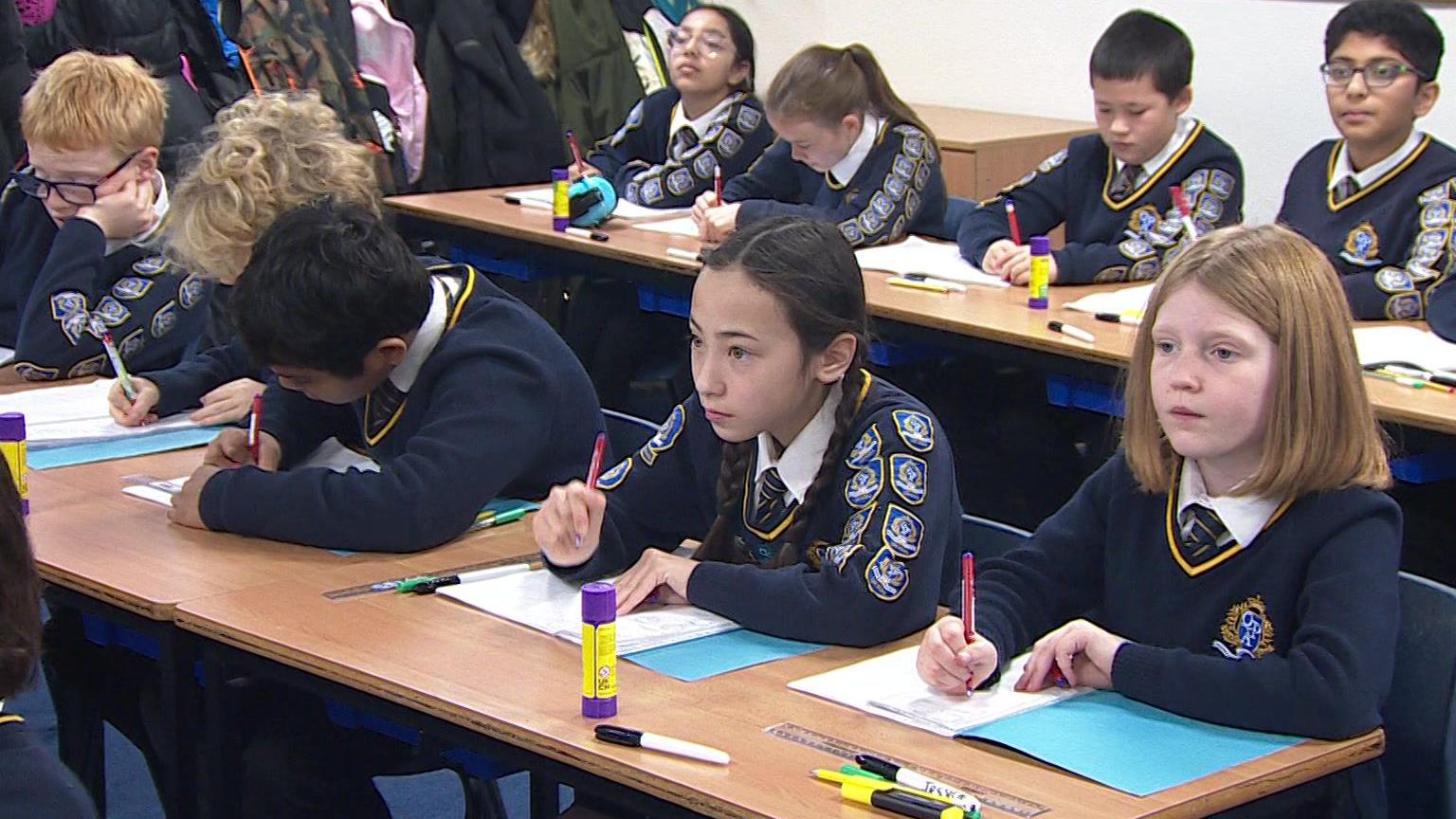
A national conversation has begun.
The Times has launched its “Smarter with Money” campaign, calling for a financial education revolution — 15 hours a year in schools, a million more investors, and a stronger culture of retail participation in markets.
On the surface, that sounds admirable.
Who could argue against better financial literacy?
But here is the deeper question:
Financial education for what?
To create more investors?
Or to create more economically sovereign human beings?
When Financial Education Is Captured
If financial education is shaped primarily by large financial firms, political agendas, and capital markets priorities, its focus becomes predictable:
- Teach children about ISAs and stock markets
- Encourage long-term investing
- Increase retail participation
- Channel household savings into financial assets
- Strengthen capital markets
There is nothing inherently wrong with investing.
But when investment participation becomes the primary objective, financial education risks becoming distribution strategy by another name.
It quietly teaches young people:
Your role in the economy is to supply capital.
That mindset builds a nation of passive investors —
not necessarily a nation of empowered wealth creators.
It grows the balance sheets of institutions.
But does it grow the true wealth of the nation?
What Open Financial Education Looks Like
Open financial education starts somewhere else.
It begins with human capital.
Not:
- “How do I buy shares?”
But:
- Who am I?
- What problems can I solve?
- What value can I create?
- How do I design a sustainable livelihood?
- How do I convert my skills into income?
- How do I build assets — both financial and human?
This is not anti-investment.
It is sequencing correctly.
First:
Build earning power.
Second:
Build enterprise capacity.
Third:
Build financial assets.
Fourth:
Build stewardship capability.
That pathway creates:
- Entrepreneurs
- Innovators
- Skilled professionals
- Family businesses
- Community wealth
- Economic resilience
It creates producers before it creates portfolio holders.
And that distinction matters.
The Wealth of Bankers vs The Wealth of the Nation
Let’s be honest.
A campaign to create “a million more investors” directly benefits:
- Investment platforms
- Asset managers
- Financial intermediaries
- The City
Again — not inherently wrong.
But it is incomplete.
Because the true wealth of a nation is not its market capitalisation.
It is:
- The skills of its people
- The resilience of its families
- The adaptability of its workforce
- The creativity of its entrepreneurs
- The strength of its communities
A child who learns how to:
- Identify opportunity
- Build a micro-enterprise
- Solve real-world problems
- Collaborate and govern wealth responsibly
… is more powerful than a child who simply learns how to buy a tracker fund.
Investment Culture Without Human Capital Culture Is Fragile
A nation of investors without a nation of creators is fragile.
If wage growth stalls…
If employment shifts…
If markets stagnate…
Investment alone cannot compensate for weak earning power.
Human capital is the engine.
Financial capital is the amplifier.
Without the engine, the amplifier has nothing to amplify.
The Real Financial Education Revolution
A true financial education revolution would include:
- Human capital valuation
- Entrepreneurial thinking
- Sustainable livelihood design
- Family governance and stewardship
- Psychological money awareness
- Ethical market participation
- Risk literacy
- Asset allocation
Not just how to invest.
But how to live economically.
That is the difference between:
Financial literacy
and
Financial sovereignty
What Are We Actually Trying to Grow?
Do we want:
- A nation supplying liquidity to markets?
Or
- A nation building enterprises, creating value, and investing from a position of strength?
One grows the wealth of institutions.
The other grows the wealth of the nation.
You decide.
The Academy of Life Planning Perspective
At the Academy of Life Planning, we believe:
Planning life comes before planning money.
Investment is important.
But it is downstream of purpose, capability, and enterprise.
When we help people build:
- Human capital
- Entrepreneurial confidence
- Governance literacy
- Long-term stewardship thinking
… financial assets naturally follow.
And poverty recedes.
Not because markets rise —
but because people rise.
If you are a planner, educator, or policy thinker who believes financial education should expand human capability — not just investor participation — we would welcome the conversation.
Curious how others see this.
 Academy of Life Planning