
Sometimes I’m accused of being disingenuous when I say, “bankers in general can’t be trusted.” People hear it as a sweeping statement, unfair to the many good people working in finance.
Then stories like this one come along.
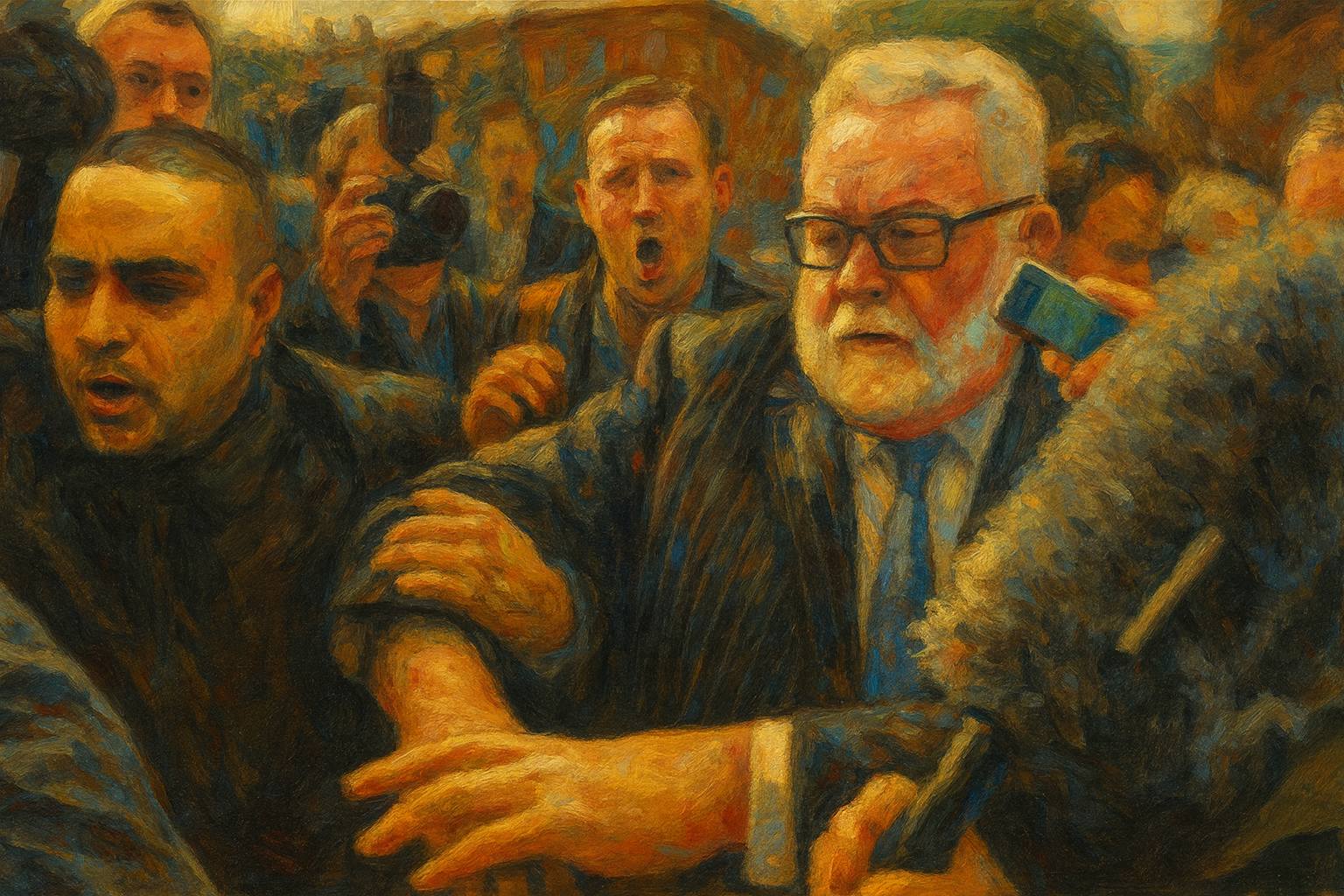
This week, former Co-operative Bank chairman Paul Flowers was ordered by the CPS to repay £184,862 to the family of Margaret Jarvis, a woman he systematically stole from while she suffered with Alzheimer’s – and even after her death.
Flowers, entrusted with power of attorney and as executor of her will, redirected her pension payments, wrote himself cheques, and siphoned money from her estate that should have gone to her nieces and to charities Margaret chose to support. Instead, he spent her life savings on holidays, alcohol, and a lifestyle of indulgence.
The betrayal is chilling. Here was a man holding the highest office in a bank founded on ethical values, exploiting his position not just professionally but personally. He was jailed in 2024 for multiple counts of fraud, banned by the FCA for a litany of misconduct – from drug offences to sexually explicit misuse of work communications – and now stripped of his ill-gotten gains.
This isn’t just the story of one rogue individual. It’s a reminder that the financial system still elevates people who are manifestly unfit to hold power. It shows what happens when trust is assumed instead of earned and when structures prioritise status, connections, and commercial agendas over character, conscience, and accountability.
And that is why I say bankers cannot be trusted—not as individuals, but as a system. Trust doesn’t come from title, role, or regulation. It comes from structural integrity—from systems that are transparent, accountable, and aligned with the public good.
The Academy of Life Planning exists because trust must be rebuilt from the ground up. We need financial planning that:
- puts people before products
- prioritises care over commissions
- empowers clients rather than exploiting them
- and holds practitioners accountable not just to regulators, but to conscience.
The Flowers case is shocking, yes—but it is not isolated. It is part of a pattern. Until we stop treating these scandals as one-off “bad apples” and recognise the rot in the barrel, we will keep seeing lives and legacies stolen.
True trust in money matters won’t come from waiting for better bankers. It will come from building a better system.
About Get SAFE
Get SAFE (Support After Financial Exploitation) was born from a simple truth: too many victims of financial abuse are left to suffer in silence.
We exist in memory of Ian Davis—for the ones who did everything right, only to be failed by the systems they trusted. We know that behind every vanished pension, every ignored complaint, and every stonewalled letter is a person—frightened, exhausted, and too often alone.
Get SAFE offers more than sympathy. We offer structure, support, and solidarity.
We provide a voice where there’s been silence, and clarity where there’s been confusion.
We stand beside those who have been exploited, not just to help them recover—but to help them reclaim their story and rebuild their future.
Because financial justice is not a luxury.
It’s a human right.
If you or someone you know has been affected by financial exploitation, we are here.
You are not alone.
Learn more at: Get SAFE (Support After Financial Exploitation).
 Academy of Life Planning
One thought on “When Bankers Betray Trust: Why Structural Change is Needed”