
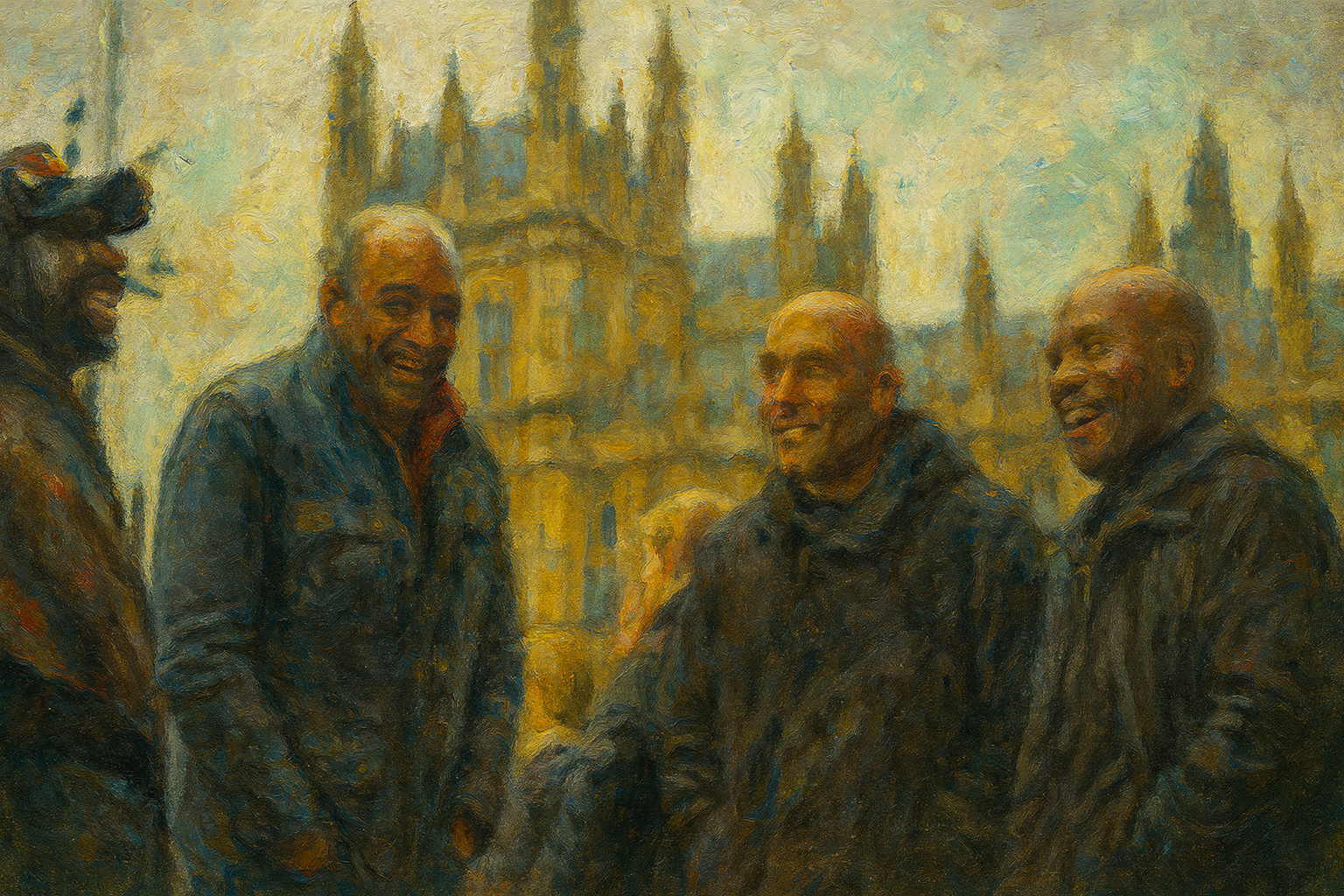
When Brian Deane scored the first ever Premier League goal in 1992, it symbolised the dawn of a new era. Money flooded into football, players became celebrities overnight, and with wealth came new risks.
Fast-forward thirty years, and we now see the dark side of that era: a generation of players—household names like Danny Murphy, Michael Thomas, Rod Wallace, Brian Deane, and Craig Short—left financially devastated.
According to the BBC investigation, as many as 200 footballers may have been affected by the collapse of schemes recommended by Kingsbridge Asset Management in the 1990s and 2000s. The V11 campaign group—11 ex-players who have come together to fight back—say they lost tens of millions of pounds. Some lost their homes. Others were declared bankrupt. Many are now being chased for eye-watering tax bills that will shadow them for life.
And yet, City of London Police acknowledged they were victims of crime.
How Did This Happen?
The players were advised to invest in complex, high-risk products: film financing schemes, overseas properties, and tax-advantaged structures that looked attractive at the time but collapsed under scrutiny.
- Film schemes: marketed with government tax relief, later challenged by HMRC, leaving players with liabilities they could not cover.
- Property schemes: Spanish and U.S. developments promoted as exclusive opportunities, but later shown to have conflicts of interest and overinflated valuations.
- Tax strategies: promised rebates and deferrals that became ticking time bombs.
The common thread? Young men, financially inexperienced, trusted advisers who were endorsed by football insiders and even the League Managers Association. That endorsement was enough to silence doubts—until it was too late.
The Human Cost
Behind the headlines are harrowing stories:
- Rod Wallace went from millionaire to bankrupt, now facing eviction.
- Sean Davis works as a painter and decorator, battling depression, owing £330,000 to HMRC.
- Craig Short, now coaching at Oxford United, saw bailiffs arrive at the training ground after receiving a £1.6m tax bill on Christmas Eve.
As Murphy put it: “If it wasn’t for the group, I don’t know where I’d be now.”
The V11 have found strength in solidarity, but their pain is evident. Former friends became advisers. Wedding guests became creditors. Promises of safety became traps.
What This Story Reveals About the System
The V11 story isn’t just about football. It’s about structural exploitation in the financial system.
- Trust misplaced: Advisers blurred the line between friendship and business.
- Conflicts ignored: Advisers had interests in the very products they promoted.
- Victims punished twice: labelled victims of crime, yet still pursued relentlessly by HMRC.
This is financial abuse in plain sight. It mirrors scandals across other industries—pension mis-selling, mini-bonds, QROPS transfers. Time and again, the pattern repeats: those with power and information profit, those without are left to carry the burden.
Why Change Is Urgent
The V11 are now campaigning for a change in the law to protect victims of financial crime from tax liabilities they never truly understood.
Their fight matters—not just for footballers, but for everyone who has ever trusted a financial professional and been misled.
Because the question is bigger than football:
- Should victims of crime be hounded for tax liabilities arising from fraudulent schemes?
- Should regulators and police accept “insufficient evidence” as the last word when lives are destroyed?
- Should the financial services industry continue to reward conflicted advice while calling it “good faith”?
Building a Safer Future
At the Academy of Life Planning, we argue that the only way to break this cycle is empowerment:
- Helping individuals plan their lives before they plan their money.
- Exposing conflicts of interest at the root of financial exploitation.
- Supporting victims after harm, not abandoning them.
- Campaigning for systemic reform so trust cannot be weaponised against the vulnerable.
The V11 have reminded us of something vital: when people come together—whether on the pitch or off it—they can turn despair into determination.
They deserve justice. But more than that, they deserve to be the last generation of players—and the last generation of ordinary people—forced to pay the price for other people’s “good faith” gone wrong.
👉 If you’ve been affected by financial exploitation, know this: you are not alone. Communities like the V11, and movements like ours, exist to turn isolation into solidarity—and to demand the change the system resists.
About Get SAFE
Get SAFE (Support After Financial Exploitation) was born from a simple truth: too many victims of financial abuse are left to suffer in silence.
We exist for people like Ian—for the ones who did everything right, only to be failed by the systems they trusted. We know that behind every vanished pension, every ignored complaint, and every stonewalled letter is a person—frightened, exhausted, and too often alone.
Get SAFE offers more than sympathy. We offer structure, support, and solidarity.
We provide a voice where there’s been silence, and clarity where there’s been confusion.
We stand beside those who have been exploited, not just to help them recover—but to help them reclaim their story and rebuild their future.
Because financial justice is not a luxury.
It’s a human right.
If you or someone you know has been affected by financial exploitation, we are here.
You are not alone.
Learn more at: Get SAFE (Support After Financial Exploitation).
 Academy of Life Planning
2 thoughts on “Football’s Financial Shame: What the V11 Story Teaches Us About Trust, Exploitation, and the Need for Change”