
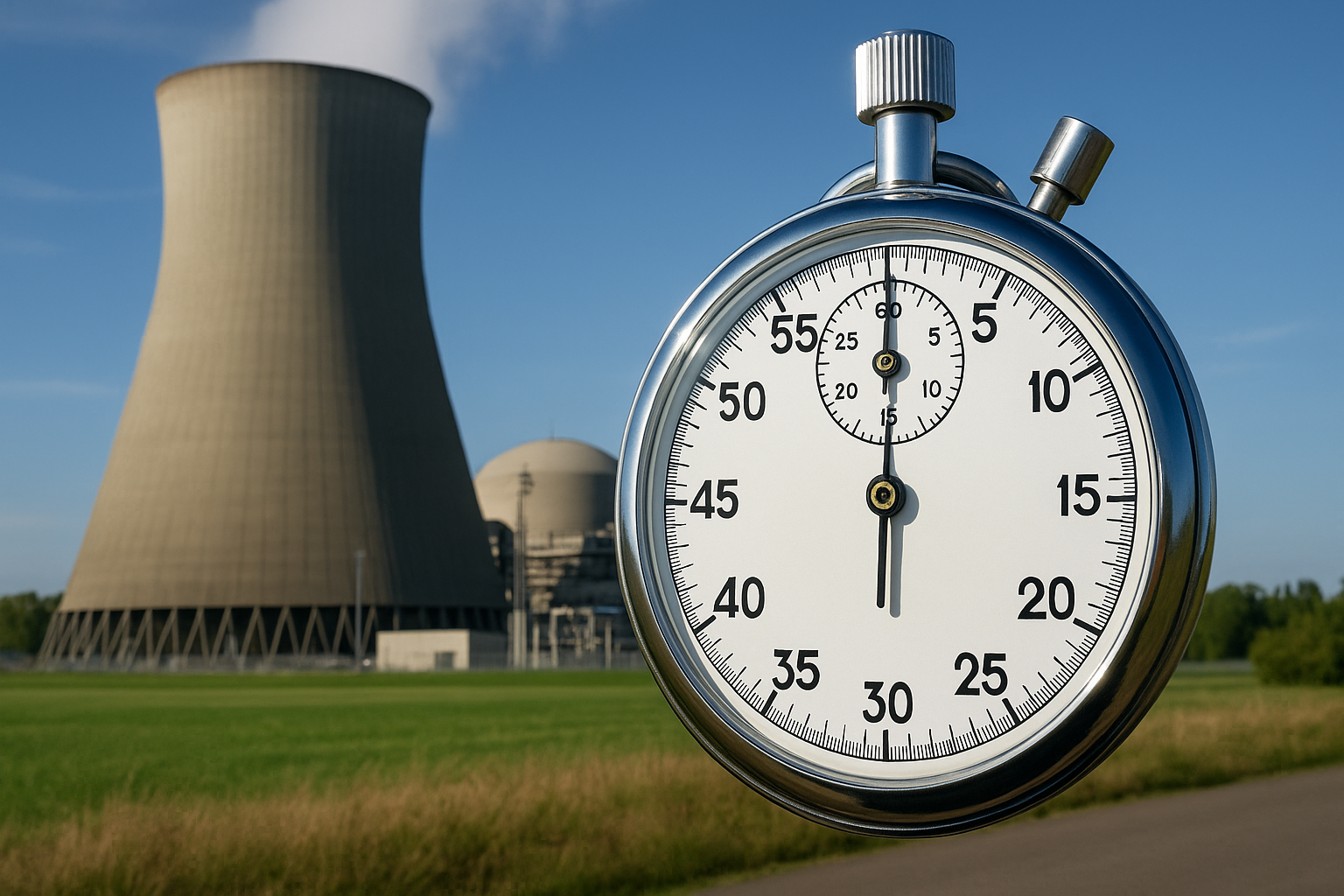
Deregulation Across Sectors: The Hidden Risks to People, Planet, and Prosperity
We have seen the dangers of deregulation before.
In 2008, the global financial crisis cost the world economy an estimated $10 trillion. Beyond the economic damage, research shows it directly contributed to more than 10,000 suicides in Western countries alone. Entire communities lost jobs, homes, savings, and stability almost overnight.
The lesson should have been clear: regulation exists to protect people from the human, environmental, and economic consequences of poorly managed risk.
The Deregulation Cycle
Regulation typically follows a cycle:
Crisis → Regulation → Stability → “Red Tape” → Deregulation → Crisis.
In finance, the 2008 crisis prompted a wave of protective regulation — capital buffers, conduct rules, consumer protection measures — designed to make the system more stable. But as memories faded, these protections came to be seen not as safeguards, but as barriers to growth.
We are now in the deregulation phase again. Financial rules are being relaxed. The focus has shifted from protecting citizens to promoting industry “competitiveness.”
Beyond Finance: The New Frontier of Deregulation
This deregulation cycle is no longer confined to finance.
The UK government is now applying it to our nuclear industry — a sector where the stakes are even higher.
This month, ministers announced plans to relax nuclear safety rules to speed up the development of Sizewell C and a new generation of small modular reactors (SMRs). Safety measures long considered essential — such as location restrictions and ultra-low emission thresholds — are being reviewed or removed.
The Social, Environmental, and Economic Risks
The potential consequences of a major nuclear incident are far-reaching:
- Social impact: A serious accident could displace tens of thousands of people, disrupt communities for decades, and cause severe long-term health effects. Following Chernobyl, over 300,000 people were permanently displaced. In Fukushima, over 150,000 people were evacuated, with many never able to return.
- Environmental impact: Radioactive contamination can render land unusable for centuries, pollute water systems, and devastate ecosystems. The Chernobyl exclusion zone, nearly 40 years on, remains uninhabitable.
- Economic impact: The cost of the Fukushima disaster has been estimated at over $200 billion. This includes clean-up, decontamination, compensation, and lost economic activity. Unlike financial crises, these costs are not just measured in GDP but in land permanently removed from productive use.
Why Regulation Matters
Regulation in both finance and nuclear energy has the same core purpose:
- To maintain system stability — whether that system is the financial markets or the energy grid.
- To protect citizens from catastrophic risks that they cannot individually control.
- To prevent the shifting of risk from industry to the public.
When these protections are removed, the likelihood of failure may remain small — but the potential consequences of failure are vast and irreversible.
A Call for Responsible Policy
Economic growth, energy security, and technological innovation are all important goals. But they cannot come at the expense of public safety and long-term environmental health.
The deregulation of financial services in the early 2000s set the stage for a crisis that caused immense social harm. Applying the same thinking to nuclear energy risks repeating that pattern on a scale we have never seen before.
The costs of prevention are always lower than the costs of disaster. We owe it to future generations to keep these protections in place — not as “bureaucracy,” but as an investment in our shared safety, stability, and well-being.
About Get SAFE
Get SAFE (Support After Financial Exploitation) was born from a simple truth: too many victims of financial abuse are left to suffer in silence.
We exist for people like Ian—for the ones who did everything right, only to be failed by the systems they trusted. We know that behind every vanished pension, every ignored complaint, and every stonewalled letter is a person—frightened, exhausted, and too often alone.
Get SAFE offers more than sympathy. We offer structure, support, and solidarity.
We provide a voice where there’s been silence, and clarity where there’s been confusion.
We stand beside those who have been exploited, not just to help them recover—but to help them reclaim their story and rebuild their future.
Because financial justice is not a luxury.
It’s a human right.
If you or someone you know has been affected by financial exploitation, we are here.
You are not alone.
Learn more at: Get SAFE (Support After Financial Exploitation).
If you are a fraud survivor or work in financial justice and want to share your views on this issue, feel free to get in touch.
 Academy of Life Planning