
When Ecuador rewrote its constitution in 2008, it did something extraordinary: it gave legal rights to the planet itself. Nature was no longer just a resource to be exploited; rivers, forests, and ecosystems were recognised as having the right to “exist, persist, and regenerate.” This bold move, rooted in indigenous wisdom, set a global precedent. Ecuador understood that a nation cannot thrive by sacrificing the very systems that sustain life.
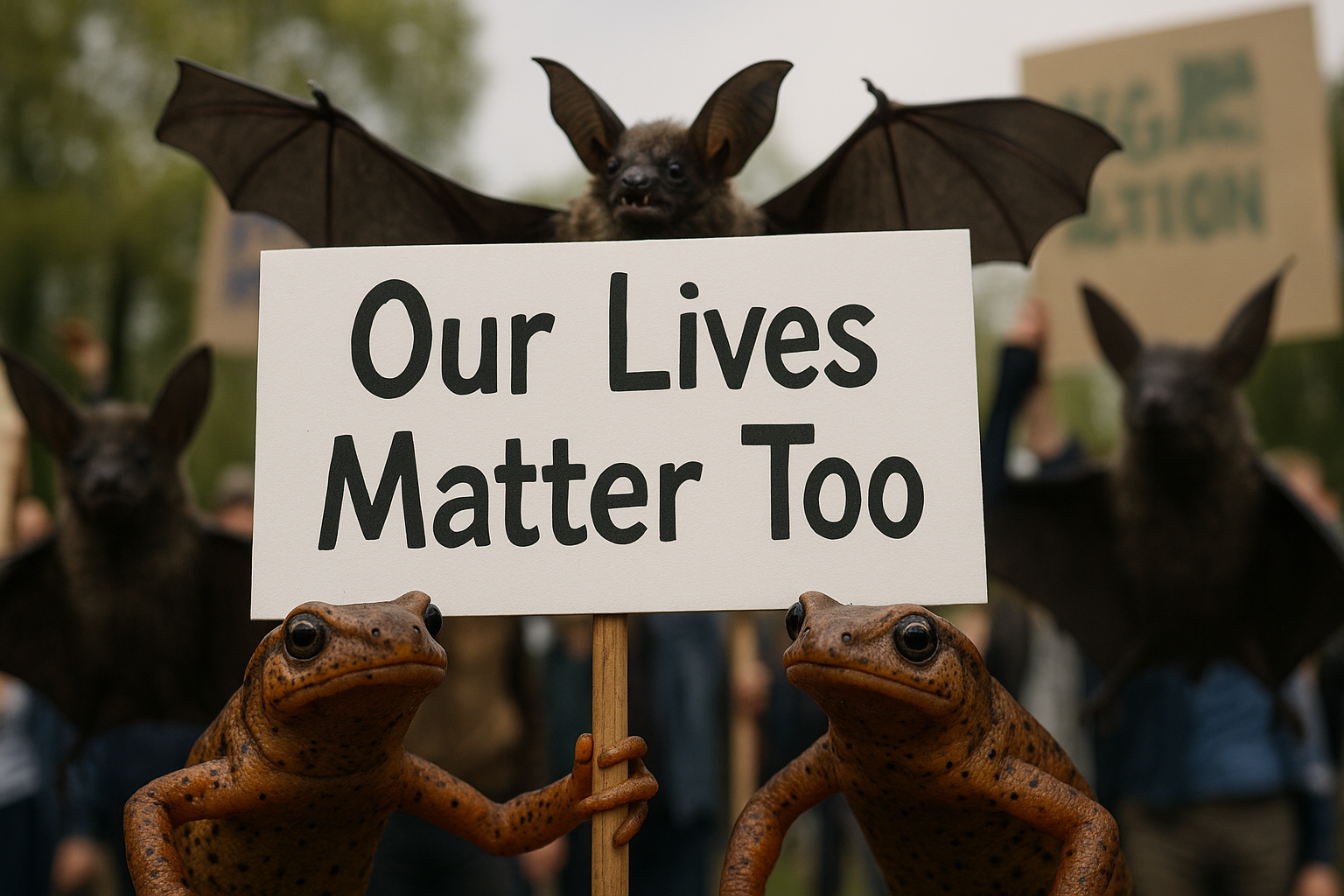
Contrast this with the United Kingdom in 2025. Chancellor Rachel Reeves has made clear her frustration with what she dismisses as “bats and newts” standing in the way of development. She is now preparing reforms to strip back environmental protections, water down the precautionary principle, and make it harder for citizens to challenge projects in the courts.
The message is unmistakeable: in today’s Britain, City bankers matter more than citizens, and citizens matter more than nature.
The Cost of Short-Termism
This is the classic mistake corporations and governments make when they pursue growth through a single-P focus: Profit. It is the very logic that inflated the financial system in the run-up to the 2008 crash, a crash we are still paying for in inequality and instability.
And yet, as Raj Sisodia’s Firms of Endearment study shows, businesses that embrace a quadruple-P focus — Purpose, People, Planet, Profit — consistently outperform their peers. They are fuelled by passion, not just cash. They win loyalty because they make the world better, not worse. They prove that protecting ecosystems and communities is not an obstacle to prosperity — it is the foundation of lasting prosperity.
The Finance Lobby’s Grip
Unfortunately, Britain has become a corpocracy, where the financial lobby wields more influence over ministers and regulators than at any time since the 2008 crisis. Mick McAteer, former FCA board member, warns that unchecked finance is steering national policy once again. We are told that rolling back protections for nature is essential for productivity. History tells us the opposite: when finance grows unchecked, crises multiply, inequality widens, and society pays the price.
The Better Path
Ecuador offers a different vision: one where the rights of nature are safeguarded, where growth is measured not only in GDP but in biodiversity, community resilience, and long-term wellbeing. In that vision, a family seeking a home and a species seeking survival are not enemies — they are both stakeholders in a thriving society.
If the UK truly wants to lead, it must abandon the tired “builders versus blockers” narrative. It must stop belittling environmental safeguards as “ridiculous” red tape and start seeing them as investment in our collective future. The most successful companies — and the most resilient nations — understand this truth.
A Choice That Defines Us
The UK today faces a stark choice. Will we strip away protections in the name of short-term productivity, pleasing financiers and developers while degrading the planet that sustains us? Or will we embrace a quadruple-P future where purpose, people, planet, and profit are held in balance, as the greatest firms and forward-thinking nations already do?
Ecuador has shown us what good looks like. The UK risks showing the world the opposite.
The South American country that gave legal rights to the planet (Mother Earth) is Ecuador.
Here’s the story:
The Constitutional Change (2008)
- In 2008, Ecuador became the first country in the world to recognize the rights of nature (“Pachamama” in the Andean tradition) in its new Constitution.
- Instead of treating nature as mere property, Ecuador declared that ecosystems themselves have the right “to exist, persist, maintain and regenerate their vital cycles.”
- This was a radical shift in legal philosophy, influenced by indigenous worldviews (especially the Quechua concept of Sumak Kawsay, or “good living”), which stress harmony between humans and the natural world.
Why It Happened
- Ecuador is one of the most biodiverse countries in the world, with the Amazon rainforest, Andean highlands, and the Galápagos Islands.
- At the same time, it has faced heavy extractive pressures: oil drilling, mining, and deforestation.
- Environmental destruction, especially oil spills in the Amazon (like the Chevron-Texaco case), created strong public demand for stronger protections.
How It Works
- Under the Constitution, any citizen or community can go to court on behalf of nature.
- This means, for example, a lawsuit can be filed to stop pollution in a river, not because it harms humans, but because the river itself has the right not to be polluted.
- Courts in Ecuador have since enforced these rights in multiple cases. One landmark ruling stopped a road project that threatened the Vilcabamba River.
The Global Impact
- Ecuador’s move inspired other countries.
- In 2010, Bolivia passed its Law of the Rights of Mother Earth, also giving nature legal rights.
- The concept has since influenced legal debates in New Zealand, India, Colombia, and even the UN discussions about Earth jurisprudence.
👉 In short, Ecuador in 2008 gave constitutional rights to the planet itself, reframing nature as a rights-bearing entity rather than a resource to exploit.
Join the Academy: Your Next Chapter Beyond Regulation
You’ve spent years inside the regulated advice world.
Now it’s time to step beyond product sales — and into a role where your skill, experience, and integrity work entirely for the client, not the commission sheet.
The old model kept clients dependent, in the dark, and paying for product services.
The new era is about clarity, confidence, and conscious choice — for both you and the people you serve.
What You’ll Gain
Empowered Planning
Leave the sales pitch behind. Guide clients with flat-fee, jargon-free advice that gives them full control over their decisions and their destiny.
Purpose-Led Practice
Turn your career capital into a values-driven enterprise. Whether you serve as an educator, a mentor, or a sounding board, you’ll create impact without conflict of interest.
Conscious Leadership
Move beyond the compliance treadmill into the Aquarian age of planning — where financial wisdom meets soul purpose and your work becomes a legacy.
How To Begin
Step into the AoLP Community
→ Aaccess to resources, events, and a peer network redefining the future of planning.
→ Community Link
Book a Discovery Call
→ Explore how to align your practice with purpose — 15 minute free chat with Steve Conley.
→ Booking Page
Try The Taster
→ Take a look at a training module they didn’t teach you at adviser school – just £4.99.
→ Try the GAME Plan Taster
The future isn’t built on percentage fees.
It’s built on purpose, participation, and personal agency — for clients and for you.
 Academy of Life Planning