
By Steve Conley
Founder, Academy of Life Planning
“When a system protects itself by narrowing the narrative, don’t be surprised when those most needed for the solution are written out of the story.”
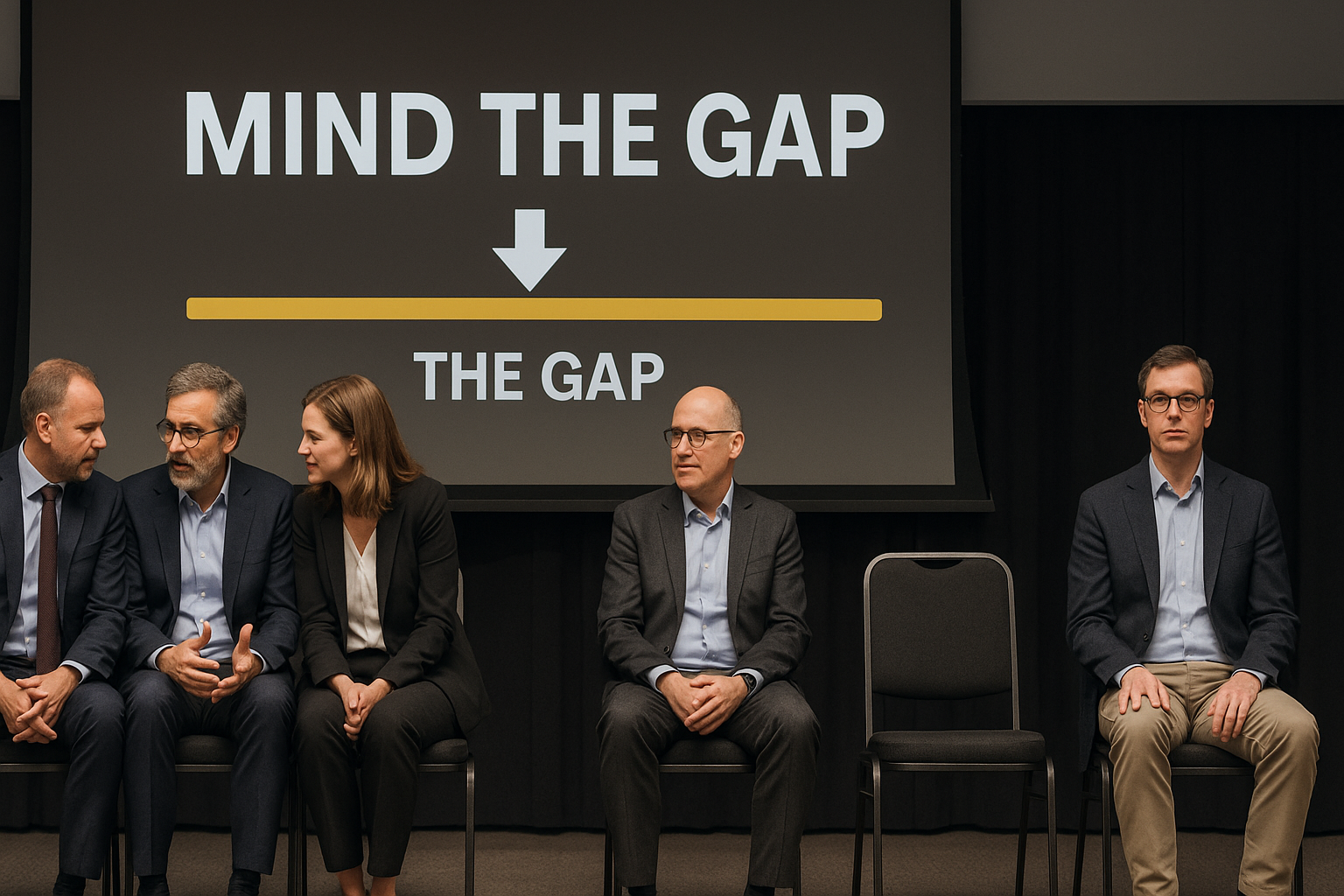
The Lang Cat’s Advice Gap 2025 report, launched in London today, reveals much about the state of financial advice post-Consumer Duty. But as always, what’s left unsaid is just as telling.
We’re presented with a profession “fundamentally altruistic,” hampered by regulation and unable to serve clients with fewer assets. But when advisers say the new rules make it “much harder” to serve low-value clients, what are they really saying? And more importantly—who’s not at the table when these reports are written?
Adviser Mindsets: Altruism or Asset Management?
At first glance, the findings suggest good intentions:
- 67% of advisers want to help clients below the wealth threshold.
- Most don’t reject clients outright; they offer conditional or slimmed-down services.
- Over 90% of paying clients say the advice helped them.
But context matters. The average advised client now holds over £411,000 in investable assets. Let that sink in. We’re not talking about everyday households; we’re talking about the wealthiest 10%. And advisers, contractually tied to product providers, still serve those who fit a profitable profile—regardless of altruistic branding.
Even when the report asks how advisers would use extra time in a frictionless world, most say they’d work less—not reach more people.
This isn’t villainy. It’s system design. These advisers are agents of providers, operating under agency agreements that define their scope. Their remuneration, processes, and compliance frameworks revolve around assets under management. So naturally, the “clients” they serve are, first and foremost, asset holders.
Consumer Mindsets: Expense, Distrust, and Disconnection
The consumer side of the report confirms what we’ve known for decades:
- People still find advice too expensive.
- They don’t know where to find a good adviser.
- They don’t trust the industry.
Crucially, they only consider advice if they’re convinced it will save them money. It’s a transactional calculus. And in the minds of most consumers, the advisory profession remains opaque, elitist, and inaccessible. Even with targeted support proposals on the table, many fear “blurring the lines” between advice and guidance will just muddy already untrustworthy waters.
The Unseen Planners: What the Report Doesn’t Say
What’s striking is what the report completely omits: any mention of life planners, financial coaches, or non-product-aligned holistic practitioners who operate independently of regulated product sales.
These professionals:
- Don’t require client portfolios of £400k+.
- Offer flat fees or subscription models accessible to the average family.
- Start with life goals—not financial products.
- Focus on education, empowerment, and wellbeing over wealth extraction.
Why are they invisible in this research?
Because they don’t sell products. Because they don’t fit within the regulated financial advice sector’s metrics. Because including them would disrupt the narrative that advisers are the only—or best—answer.
The truth is, a parallel movement is growing. Holistic planners, citizen-led platforms, and AI-augmented tools are filling the real advice gap. They are often dismissed, regulated against, or simply ignored—not because they lack value, but because they don’t serve the vested interests of the incumbents.
System Dynamics: Who’s Really Served?
Let’s name what’s going on.
This is a sector defending its model under the guise of altruism.
It’s a regulatory regime that inadvertently protects market incumbents by creating entry barriers and shielding vertically integrated firms.
It’s a research culture that talks about “access” without exploring alternatives to financial intermediation.
The Advice Gap 2025 report offers useful data. But it’s incomplete. It shows us the interests of advisers (work-life balance, efficiency, profitability), and it shows the frustrations of consumers. But it fails to ask the more disruptive question:
What if the advice gap isn’t about lack of access to advisers, but about the dominance of a narrow definition of advice?
Conclusion: Expanding the Lens
The future of financial empowerment doesn’t lie in tweaking regulation or asking tied agents to serve more people. It lies in redefining the planning profession to include those working outside of sales mandates—planners who help clients achieve ‘enough,’ not just maximise assets.
We must question who defines the problem—and who benefits from its framing.
Until we expand the lens to include non-intermediating financial planners, the advice gap will remain a structural feature, not a solvable flaw.
If this resonates, join us at the Academy of Life Planning. We’re building a world where planning means purpose—not just portfolios.
Join the M-Power Movement
Our Strategy:
- Vision, not critique.
- Surgical, not sweeping.
- Stories, not slogans.
- Accountability, not lost.
- Alternatives, not arguments.
What’s in it for you?
- Empowerment: Learn how to manage your money and grow your wealth with confidence.
- Entrepreneurship: Discover tools and support to turn your ideas into thriving businesses.
- Community: Connect with like-minded individuals and organisations dedicated to financial freedom for all.
How to Get Started:
- Join Our Community: Access free resources, workshops, and networking opportunities.
- Book a Call: Speak with an expert to explore how we can support your journey to financial independence.
- Spread the Word: Help us build a global movement by sharing this vision with your network.
Together, we can redefine what financial planning means, transforming it from a service of dependency into a tool of empowerment. The M-Power Movement is not just about creating wealth; it’s about creating a fairer society where everyone has the opportunity to thrive.
Are you ready to take control of your financial future?
Join us today and be part of this transformative journey.
 Academy of Life Planning