
A Customer Advocate’s Response to the FCA’s New Regulatory Direction
“The biggest scandals are not the ones that break the rules, but the ones that rewrite them.”
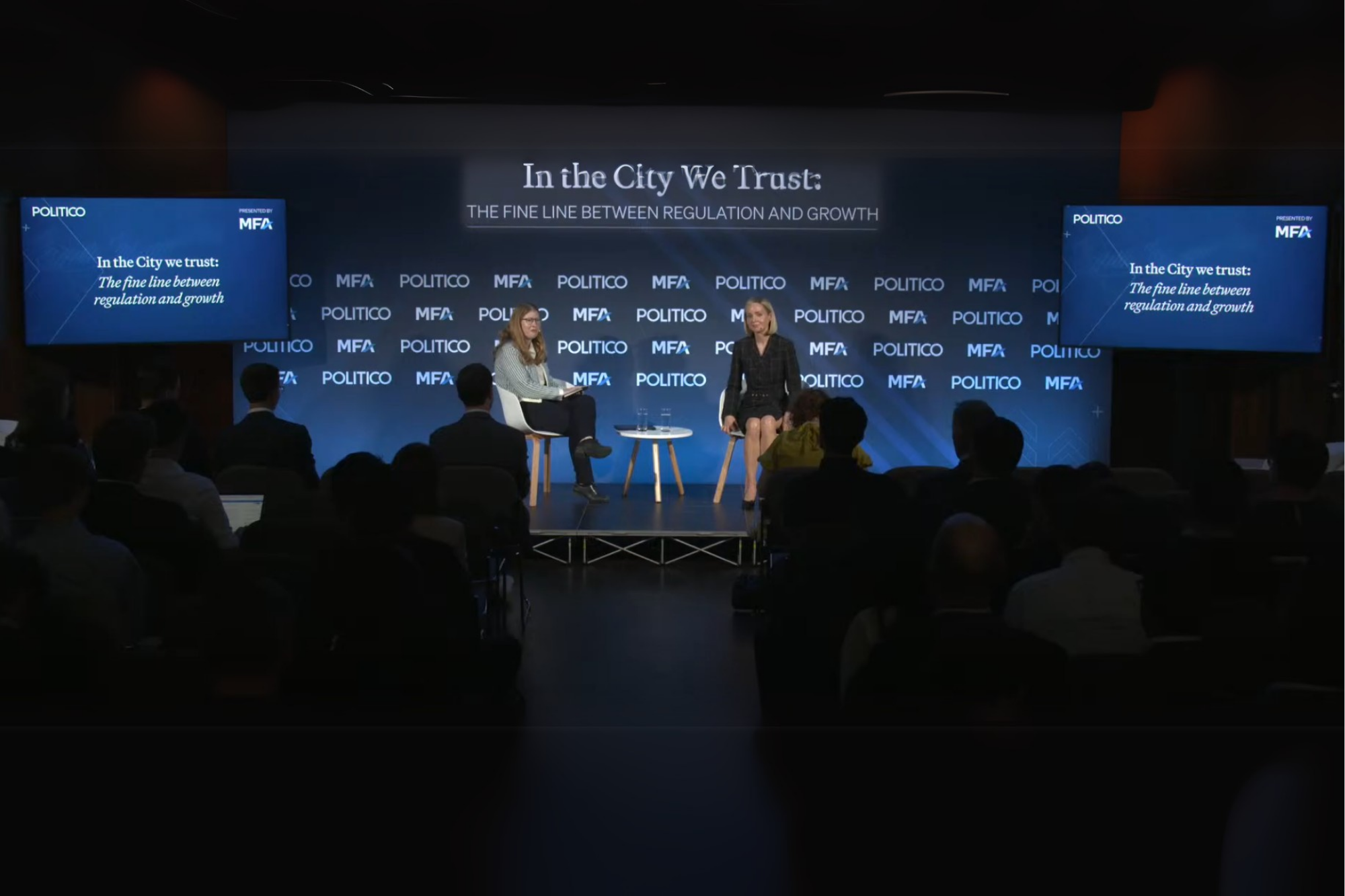
Last week’s POLITICO Europe panel made one thing painfully clear: the UK’s financial regulators are walking a tightrope between protecting consumers and fuelling economic growth. The new strategy, with growth placed at the heart of the Financial Conduct Authority’s (FCA) mission, promises flexibility, innovation, and competitiveness. But from where I stand—as someone who’s spent the past decade advocating for those failed by the system—it feels like a slow walk toward repeating the past.
🏦 The Language of Risk… and Amnesia
Simon Walls, the FCA’s Interim Executive Director of Markets, emphasised the need to embrace “responsible risk-taking.” A noble phrase—until you remember the price real people have already paid for “acceptable risk.”
For those of us who’ve worked with victims of pension fraud, toxic investments, and regulatory failures, the phrase “tolerable failure” is chilling. These aren’t theoretical losses—they’re people’s life savings, homes, and futures.
The FCA says the new framework won’t compromise consumer protection. But we’ve heard that before. We heard it before Connaught. Before LCF. Before British Steel. And yet, here we are—still fighting for justice.
⚖️ The False Choice: Growth vs. Protection
There’s a growing narrative that regulation has gone too far—that overprotecting consumers has stifled the City. But let’s be honest: regulation didn’t fail because it was too robust. It failed because it wasn’t enforced. Rules existed. What was missing was the will to act, the resources to investigate, and the courage to challenge powerful interests.
Now, with regulators granted a “secondary objective” to promote growth, we risk turning watchdogs into cheerleaders.
The FCA may consult on “enhanced risk appetite,” but who defines what’s tolerable? For whom? A tolerable failure to a policymaker is often catastrophic for a pensioner. When margins are tight, it’s always the vulnerable who fall through the cracks.
💡 The Advice-Guidance Boundary: The Real Reform We Need
Rachel Blake MP rightly raised the elephant in the room: the broken advice-guidance boundary. If the regulators truly want to empower consumers and grow the economy, they should focus on rebuilding trust and redefining access to financial help—not rolling back rules in wholesale markets.
For years, I’ve championed the idea of product-free, values-driven guidance. We need a framework that enables ethical planners and self-directed citizens to make informed decisions without being sold to. Growth shouldn’t mean deregulation—it should mean decentralisation, innovation, and integrity.
🤝 The Missing Voice at the Table
As ever, there were no victims on the panel. No mention of the tens of thousands who’ve suffered financial harm due to regulatory blindness. The FCA’s recent track record—failing to act decisively on red flags, avoiding accountability, and withholding justice—raises serious questions about whether it can be trusted to now recalibrate risk on our behalf.
Until consumer representatives are given equal weight in these discussions, the system will remain skewed.
🚨 Final Thoughts: This Is a Moment of Reckoning
We are told the financial system is “more resilient” now. Perhaps structurally. But ethically? That remains to be seen.
True resilience means learning from the past—not just absorbing its costs. If growth becomes the new excuse to sideline scrutiny and dilute accountability, then we are not evolving. We are regressing—with new language and the same consequences.
If regulators want to prove they are serious about protecting the public, they must start by listening to those they failed. And they must be willing to face uncomfortable truths—not just chase comfortable growth.
Your Money or Your Life
Unmask the highway robbers – Enjoy wealth in every area of your life!

By Steve Conley. Available on Amazon. Visit www.steve.conley.co.uk to find out more.
 Academy of Life Planning