
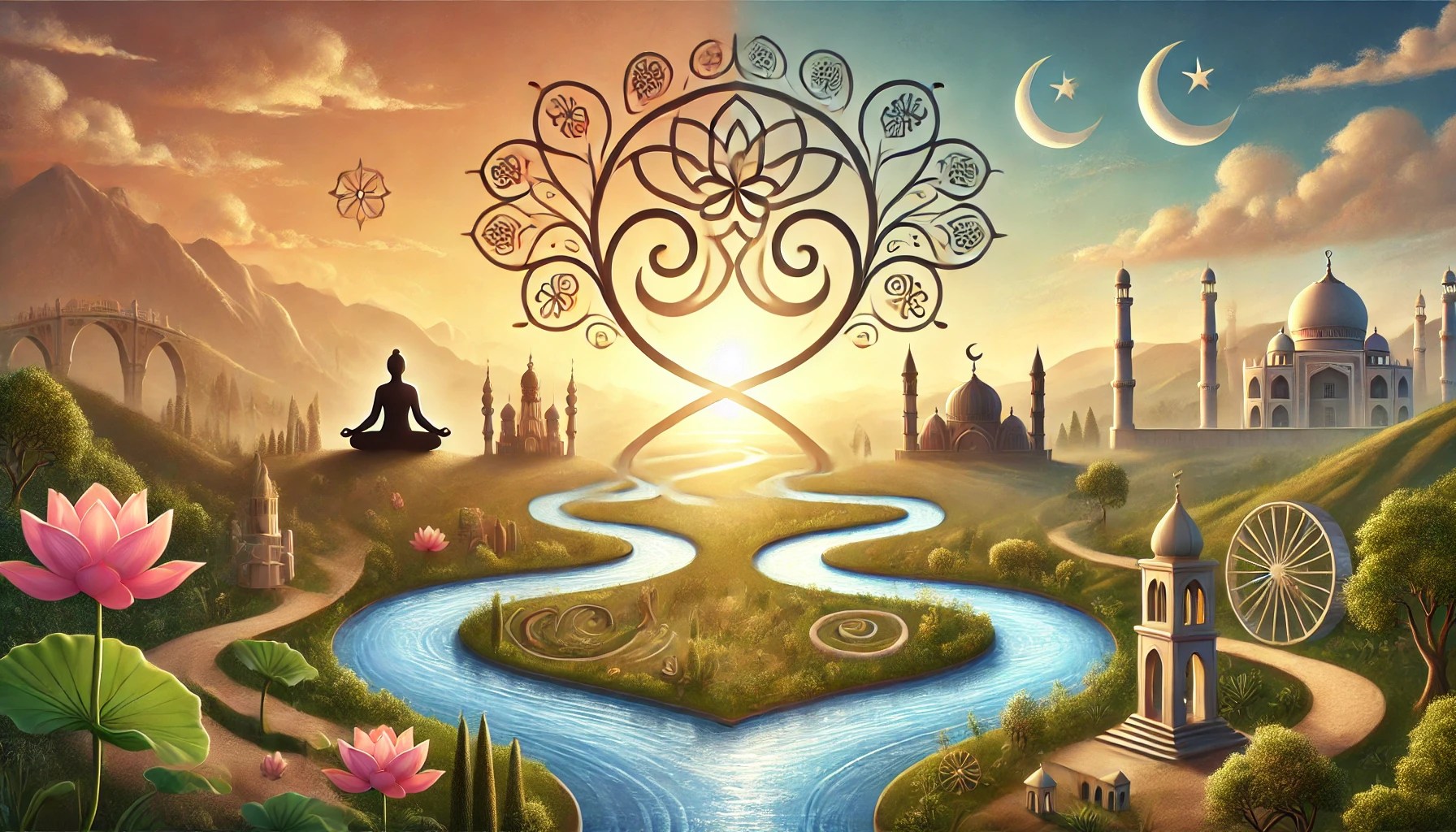
The relationship between spirituality, religiosity, and well-being is multifaceted and often misunderstood. While both spirituality and religiosity can positively influence well-being, they are distinct constructs that contribute differently to an individual’s mental and emotional health.
Defining Spirituality and Religiosity
- Spirituality refers to a personal quest for meaning, purpose, and connection, which may or may not involve belief in a higher power. It encompasses personal growth, self-awareness, and a sense of interconnectedness with others and the universe.
- Religiosity involves adherence to the beliefs, practices, and rituals of a specific religion. It often includes participation in organised religious activities and a commitment to particular doctrinal teachings.
Impact on Well-Being
Research indicates that both spirituality and religiosity can enhance well-being, but through different mechanisms:
- Spirituality is associated with personal growth, inner peace, and resilience. A study published in Frontiers in Psychology found that spirituality positively correlates with psychological well-being, suggesting that individuals with higher spiritual beliefs tend to experience greater life satisfaction and emotional balance. Frontiers
- Religiosity often provides social support, a sense of community, and structured frameworks for understanding life’s challenges. The Gallup and Radiant Foundation report, “Faith and Wellness: The Worldwide Connection Between Spirituality & Wellbeing,” highlights that individuals who consider religion important in their daily lives report higher levels of well-being. PR Newswire
Distinguishing Between Spirituality and Religiosity in Well-Being Studies
Some studies conflate spirituality with religiosity, leading to potential misinterpretations:
- Measurement Challenges: Instruments designed to assess religiosity may not capture the personal and non-institutional aspects of spirituality, resulting in an incomplete understanding of their distinct impacts on well-being.
- Cultural Variations: In some cultures, spirituality and religiosity are closely intertwined, while in others, they are separate. This cultural context can influence how individuals experience and report their well-being in relation to spirituality and religiosity.
Implications for Research and Practice
To accurately assess the contributions of spirituality and religiosity to well-being:
- Develop Distinct Measures: Create assessment tools that separately evaluate spirituality and religiosity to understand their unique and combined effects on well-being.
- Consider Cultural Contexts: Recognise that the relationship between spirituality, religiosity, and well-being may vary across different cultural and societal settings.
- Promote Inclusive Approaches: Encourage practices that integrate both spiritual and religious dimensions to support holistic well-being, catering to individuals with diverse beliefs and practices.
In conclusion, while spirituality and religiosity are interconnected, they are not synonymous. Both can positively influence well-being through different pathways. Recognising and measuring these distinctions is crucial for developing effective strategies to enhance mental and emotional health.
For further empirical evidence on the connection between Spirituality and Wellbeing check out: Spirituality and Subjective Well-Being: Evidences for a New Domain in the Personal Well-Being Index.
Questions & Answers
Q1: What is the difference between spirituality and religiosity?
A1: Spirituality refers to an individual’s personal quest for meaning, purpose, and connection, which may or may not involve belief in a higher power. It encompasses personal growth, self-awareness, and a sense of interconnectedness with others and the universe. In contrast, religiosity involves adherence to the beliefs, practices, and rituals of a specific religion, often including participation in organised religious activities and commitment to particular doctrinal teachings.
Q2: How do spirituality and religiosity individually impact well-being?
A2: Both spirituality and religiosity can enhance well-being, but through different mechanisms. Spirituality is associated with personal growth, inner peace, and resilience. For instance, a study published in Frontiers in Psychology found that spirituality positively correlates with psychological well-being, suggesting that individuals with higher spiritual beliefs tend to experience greater life satisfaction and emotional balance. Religiosity often provides social support, a sense of community, and structured frameworks for understanding life’s challenges. The Gallup and Radiant Foundation report, “Faith and Wellness: The Worldwide Connection Between Spirituality & Wellbeing,” highlights that individuals who consider religion important in their daily lives report higher levels of well-being.
Q3: Why is it important to distinguish between spirituality and religiosity in well-being studies?
A3: Distinguishing between spirituality and religiosity is crucial because they contribute to well-being through different pathways. Conflating the two can lead to misinterpretations and incomplete understandings of their distinct impacts. Accurate assessment requires developing distinct measures for each and considering cultural contexts, as the relationship between spirituality, religiosity, and well-being may vary across different cultural and societal settings.
Q4: How can research and practice better address the roles of spirituality and religiosity in well-being?
A4: To accurately assess the contributions of spirituality and religiosity to well-being, researchers and practitioners should:
- Develop distinct measures that separately evaluate spirituality and religiosity to understand their unique and combined effects on well-being.
- Consider cultural contexts, recognising that the relationship between spirituality, religiosity, and well-being may vary across different cultural and societal settings.
- Promote inclusive approaches that integrate both spiritual and religious dimensions to support holistic well-being, catering to individuals with diverse beliefs and practices.
By recognising and measuring these distinctions, more effective strategies can be developed to enhance mental and emotional health.
 Academy of Life Planning