
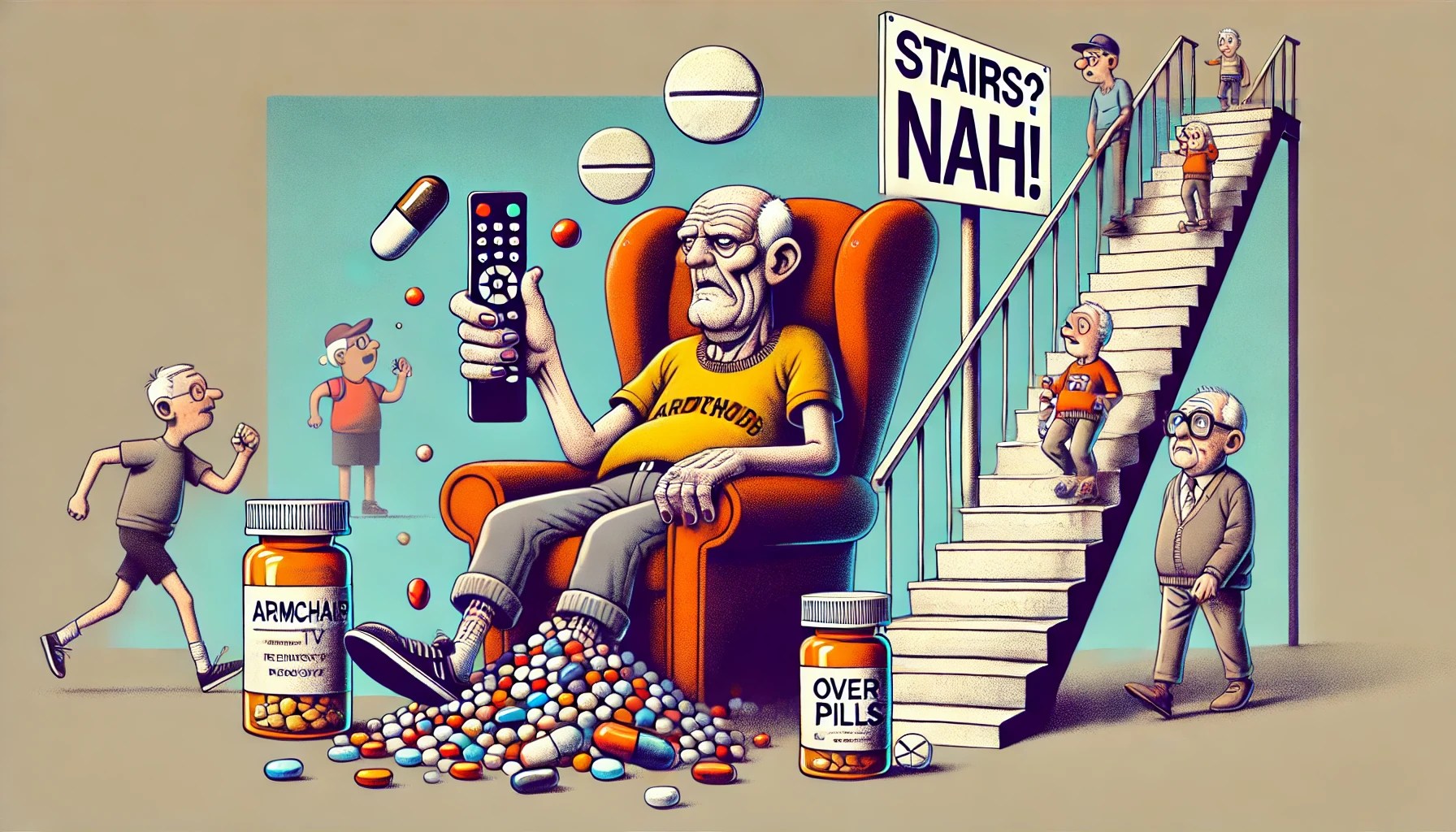
We all know some habits can wreak havoc on our health, but are you aware of the sneaky things that might be accelerating your aging process? The latest insights from Dr. Lucy Pollock, an NHS Consultant Geriatrician, shed light on the everyday behaviours that could be making you old before your time. Here’s what you need to know—and maybe laugh at—about how to age well (or at least, not too fast).
Making Excuses Not to Do Things
Social anxiety can increase with age, and while avoiding crowded places or skipping out on a trip might seem like the safer bet, it’s a fast track to shrinking your world. Dr. Pollock points out that every time you make an excuse not to go out, you’re giving in to the slow creep of isolation. Next time you find yourself coming up with reasons to stay home, consider this: frequent socialising is linked to a longer, healthier life. So go ahead, look up where to park and just go.
Not Befriending the Young
You might think reminiscing about the good old days is harmless, but getting stuck in the past can actually be a major aging hazard. Dr. Pollock suggests that engaging with younger generations is crucial for both mental and physical health. So instead of lecturing the young about how things were different in your day, try listening to them. Intergenerational friendships can bring a new energy to your life—and keep you feeling more engaged with the present.
Sitting on Your Money
Retirement can bring financial security, but sitting on your wealth isn’t necessarily the best way to enjoy it. Dr. Pollock has seen firsthand the joy that comes from philanthropy, especially when older individuals invest in projects that benefit younger generations. So, if you’ve got it, why not share it? After all, wouldn’t you rather give with a warm hand than a cold one?
Taking Too Many Pills
We’ve all been conditioned to trust in the power of medicine, but popping too many pills might be doing more harm than good. Dr. Pollock warns that certain medications, especially those taken long-term, can increase the risk of dementia and other health issues. It might be time to have a chat with your doctor about taking a drug holiday or exploring non-pharmaceutical alternatives to manage your health.
Obsessing Over Your Ailments
We all know someone who can’t stop talking about their health problems—maybe that person is you. But obsessing over every ache and pain can actually make you feel worse. According to Dr. Pollock, maintaining interests beyond your own health is vital. If you’re constantly performing what she calls an “organ recital,” it might be time to find some new hobbies and distractions.
Moving to a Bungalow
Bungalows might seem like the perfect retirement home, but beware of losing the physical benefits that come from climbing stairs. A 2018 study found that stairs help prevent age-related physical decline by keeping your leg muscles strong. If you’ve already moved into a bungalow, find other ways to maintain your muscle strength—or risk developing those dreaded “bungalow legs.”
Being a Tech Luddite
Resisting technology might seem noble, but it’s also a sure way to isolate yourself from the world. Dr. Pollock encourages embracing tech, whether it’s using FaceTime to keep in touch with your grandchildren or simply learning a new skill. Staying connected and mentally sharp is key to aging well, so don’t let the digital age pass you by.
Refusing to Get a Hearing Aid
Poor hearing is closely linked to cognitive decline, yet many people resist getting a hearing aid. Dr. Pollock urges you to reconsider. Not only will it help you stay engaged in conversations, but it might also lower your risk of dementia. And with affordable options available, there’s really no excuse to keep straining to hear.
Resting Too Much
Sitting around might feel like the ultimate retirement goal, but it’s a fast track to accelerated aging. Dr. Pollock reminds us that staying active is essential—standing up every 20 minutes and getting out of breath now and then is good for you. Don’t fall into the trap of endless TV marathons; your body will thank you for moving.
Expecting the Physio to Work Miracles
When it comes to recovery and rehabilitation, there’s no magic pill that will do the work for you. Dr. Pollock emphasises the importance of active participation in your own recovery. Doing your physio exercises and staying strong is up to you—don’t wait for someone else to fix it.
Accepting That You’re Frail
Finally, don’t assume that once you’ve started to decline, there’s no turning back. Science shows that older people can improve their muscle strength and even reverse pre-frailty. Incorporating small changes into your daily routine, like squats while brushing your teeth, can make a significant difference.
Aging is inevitable, but how you age is largely within your control. By avoiding these common pitfalls, you can stay healthier, happier, and perhaps a little younger—at least in spirit. So, next time you’re tempted to take the elevator or skip a social event, remember: it’s never too late to make a change.
 Academy of Life Planning