

In the world of financial planning, the Academy of Life Planning advocates for a revolutionary approach called the “Game Plan.” This holistic strategy integrates the principles of Goals, Actions, Means, and Execution (GAME) to align one’s life aspirations with financial stability. By understanding and applying the Game Plan, individuals can create a sustainable and fulfilling future. This article explores how this approach, rooted in Eastern philosophy, can transform lives, using the example of Double Income No Kids (DINK) couples to illustrate its impact.
Goals and Actions: Planning Your Life
The first step in the Game Plan is to establish Goals and Actions, focusing on what you want from life. This stage is about daring to dream and envisioning your favorite future. It’s an opportunity to reflect on your deepest desires, passions, and ambitions without the constraints of financial limitations. By prioritising life planning over financial planning, you open up a realm of possibilities that might otherwise remain unexplored.
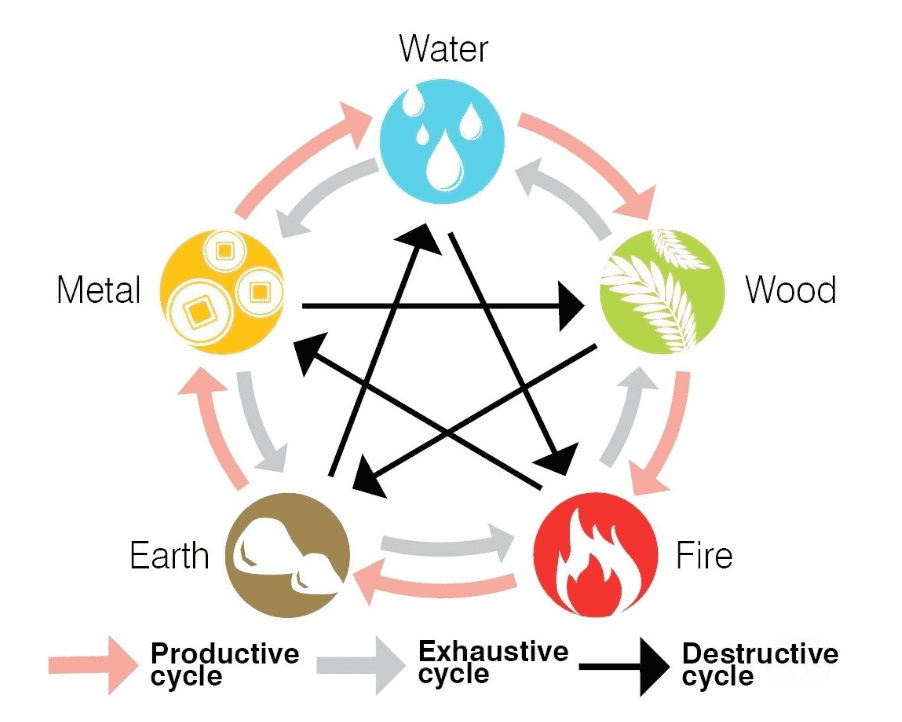
Eastern Philosophy Context: In Eastern philosophy, this approach aligns with the element of “Wood,” which symbolises growth, creativity, and vision. Just as a tree needs a clear space to grow and flourish, individuals need to define their life goals before creating a financial plan to support them.
Means and Execution: Building Financial Architecture
Once your life plan is in place, the next step is to determine the Means and Execution. This involves putting in place the financial architecture to support your goals. Here, financial capital and human capital development come into play, ensuring you have the resources to meet your lifetime liabilities and live the life you envision.
Eastern Philosophy Context: This stage corresponds to the element of “Metal,” representing structure, organisation, and clarity. Like a metal framework that supports a building, a well-constructed financial plan provides the stability and resources needed to sustain your life goals.
The Productive Cycle vs. The Exhaustive Cycle
The Productive Cycle: When you plan your life before your money, you engage in the productive cycle. By developing both financial capital and human capital, you create the assets required to fulfill your life aspirations. This holistic approach ensures that you are not just living within your means but thriving and realising your full potential.
The Exhaustive Cycle: Conversely, traditional financial planning often focuses solely on financial capital, overlooking human capital development. This approach can lead to an exhaustive cycle, where you strive to live the best life possible within your financial constraints, resulting in a limited version of yourself. By not considering your full potential productivity, you underestimate your total wealth, including future earnings and lifetime liabilities, thus selling yourself short on life.
The Destructive Cycle: A Cautionary Tale
The destructive cycle occurs when one fails to integrate life planning and financial planning. Neglecting either aspect can lead to disastrous consequences. Without a life plan, financial resources may be misallocated, leading to unfulfilled dreams and regrets. Similarly, without a financial plan, even the most well-thought-out life goals may remain unattainable.
Illustrating the Game Plan with DINK Couples
To illustrate the Game Plan, consider the example of Double Income No Kids (DINK) couples. These couples often choose not to have children to maintain a certain lifestyle, financial stability, and personal freedom. Their decisions highlight the importance of aligning life goals with financial planning.
Leona Black and Gordon Bazeley: Leona and Gordon decided against having children after realising that their lifestyle and financial goals did not align with parenthood. By focusing on their careers and enjoying their freedom, they have built a substantial nest egg and enjoy a lifestyle that includes extensive travel and personal time. This choice reflects a conscious decision to prioritise their life goals and then structure their finances accordingly.
Helene and Michael Sula: High school sweethearts Helene and Michael chose to focus on their travel business instead of having children. This decision allowed them to save significantly and invest in their future, ensuring financial security without the responsibilities of parenthood. Their approach exemplifies how aligning life goals with financial planning can lead to a fulfilling and prosperous life.
Claire and James Davis: After experiencing an ectopic pregnancy, Claire decided not to pursue parenthood, focusing instead on her entrepreneurial ventures. By investing in their business and planning for their future, Claire and James have created a lifestyle that provides financial freedom and personal fulfillment. Their story underscores the importance of integrating life planning and financial planning to achieve a balanced and satisfying life.
Emma and Daniel Roberts: Emma and Daniel decided not to have children because they feared the cost of raising kids would jeopardise their retirement plans. They meticulously calculated the expenses but failed to consider the value of human capital and potential future earnings. As they grew older, they regretted their decision, realising they had underestimated their total wealth and the fulfillment that might have come from raising a family. Their story serves as a reminder that excluding human capital considerations can lead to short-sighted financial decisions and life regrets.
Sophie and Mark Hamilton: Sophie and Mark decided to have children without fully considering the financial consequences. They envisioned a lively household and the joys of parenthood but overlooked the long-term financial impact. As their family grew, they found themselves struggling to balance their finances, leading to stress and a compromise on their lifestyle. Their scenario underscores the importance of integrating financial planning into life decisions to ensure a stable and happy future.
Jessica and Tom Mitchell: Jessica and Tom chose to chase financial success without considering their life plan. They climbed the corporate ladder and amassed wealth but found themselves trapped in a cycle of endless work with little time for personal fulfillment. Without a clear life plan, their pursuit of money led to burnout, dissatisfaction, and life regrets. Their experience illustrates the pitfalls of focusing solely on financial gain without aligning it with life goals and personal happiness.
Conclusion
The Game Plan’s holistic approach to financial planning, rooted in Eastern philosophy, emphasises the importance of planning your life before your finances. By establishing clear goals and actions, and then building the means and execution to support them, individuals can achieve a productive cycle of growth and fulfillment. The examples of DINK couples illustrate how aligning life aspirations with financial planning can lead to a life well-lived, free from the constraints of traditional financial limitations. Embrace the Game Plan to unlock your full potential and live the life you love.
Disclaimer
This case study is inspired by an article published in the Telegraph newspaper yesterday about various DINK couples who have naturally created their own exemplary Game Plans. It is important to note that the individuals mentioned are not clients of the Academy of Life Planning. The purpose of this case study is to illustrate the strategic planning and execution inherent in the Game Plan, and the order that is delivered. It is intended to encourage readers, especially those facing difficult life changing decisions, to think outside the box about their life plans. This case study serves as an inspirational example of how one can make the right life choices through effective planning and adaptability.
 Academy of Life Planning